Fox Hunting Ptarmigan in Winter: Survival in the Zailiyskiy Alatau Mountains
 libre
libre
Winter ptarmigan hunting targets a hardy alpine grouse that turns nearly white in the cold season, gathers into flocks, and survives bitter nights by huddling together in sheltered snow. Whether you are pursuing the rock ptarmigan of the Zailiyskiy Alatau or the willow ptarmigan of Alaska, success depends on reading the terrain, spotting birds against snow and rock, and matching your gear to deep cold. This guide combines field strategy, equipment choices, and a true account of a fox dispersing a flock on a frozen mountain night.

The ptarmigan, sometimes called the rock partridge, is a small mountain grouse built for survival in extreme conditions. It is sedentary, rarely leaving its high range, and its variegated plumage makes it nearly invisible among rocks and patchy snow.
Ptarmigan Hunting in Winter: An Overview
Winter ptarmigan hunting is a cold-weather pursuit of flocked mountain grouse that demands patience, sharp eyesight, and respect for severe terrain. In winter, ptarmigan abandon scattered summer territories and group into flocks, moving between windswept feeding areas and sheltered roosts. Hunters who understand this seasonal rhythm find birds far more reliably than those who simply wander the slopes.
The season rewards preparation over luck. Birds concentrate where food and shelter overlap, so locating a single flock often means finding dozens of birds in a small area. Because ptarmigan hold tight in cold weather and flush in noisy, explosive groups, hunters can take both ground shots at resting birds and wingshooting opportunities as the flock erupts.
Three species dominate the conversation across North America and Eurasia: the willow ptarmigan, the rock ptarmigan, and the white-tailed ptarmigan. Each occupies slightly different elevations and cover, and in places like Alaska a hunter can pursue more than one species in a single outing.
Understanding the Rock Ptarmigan
The rock ptarmigan is a compact alpine grouse that lives year-round in high, rocky country and is famous for its seasonal color change. It is one of the most cold-adapted upland birds in the world, thriving where few other birds can survive winter. Recognizing its behavior is the foundation of any successful hunt.
Winter Behavior and Flocking
In winter, rock ptarmigan gather into tight flocks and roost together for warmth in calm, sheltered spots. They always sleep in a close group somewhere out of the wind, huddling so their combined body heat helps each bird endure frosts that can drop well below freezing. A lone ptarmigan separated from its flock on a frosty night is in real danger of freezing.
Flocks favor predictable daily patterns: they feed in exposed windswept areas where vegetation pokes through the snow, then retreat to protected pockets behind rocks or into deeper snow to roost. Locating one feeding area usually reveals where the whole flock spends its day.
Camouflage and Variegated Coloration
The rock ptarmigan's variegated coloration is its primary defense, blending almost perfectly with patchy snow and dark rock. In full winter plumage the bird turns largely white, broken by sharp black markings — black stripes along the sides and a dark collar that stands out against ash-gray and white feathers. This mottled pattern dissolves the bird's outline among the black blocks of stone rising above the snow.
Held in the hand, a rock ptarmigan reveals just how striking that camouflage is up close: the fiery red beak tucked into the shoulders, the sharp black markings, and the downy plumage built to trap warmth. At distance, though, those same features make a motionless bird nearly impossible to separate from a frost-streaked slope, which is why patient glassing matters so much.
Where to Find Ptarmigan in Winter
Ptarmigan in winter concentrate where food-bearing vegetation meets sheltering terrain, typically at high elevation along alpine tundra, exposed ridges, and the upper edges of conifer stands. Knowing which microhabitats hold birds turns a long, empty climb into a productive hunt. In Alaska the willow ptarmigan is the state bird, and birds are distributed across an enormous range of mountain country.
Alpine Tundra and Mountain Terrain
Alpine tundra above the treeline is the classic ptarmigan stronghold, offering the low willow, dwarf birch, and exposed grit the birds depend on. This high, open ecosystem of rock fields, snowfields, and stunted vegetation is where rock ptarmigan and white-tailed ptarmigan spend the winter. Rocky ledges and gravel patches also supply grit, which the birds swallow to grind their tough winter diet of buds and twigs.
In Southcentral Alaska, ranges such as the Chugach Mountains, the Talkeetna Mountains, and the country around Denali National Park and Preserve hold strong populations within reach of Anchorage. Ptarmigan Valley, near Knik Arm, is a well-known destination whose very name reflects the abundance of birds in the surrounding high country.
Exposed Ground and Snow-Free Habitat
Windswept slopes where the snow has been scoured away are prime winter feeding grounds because they expose the willow and alder buds ptarmigan eat. Look for dark patches on otherwise white ridges — these snow-free zones along crests and shoulders draw flocks throughout the short winter day. Bushes poking through the snow in low, dark spots often mark exactly where birds will feed.
Willow and alder thickets along drainages, marshland edges, and river segments concentrate willow ptarmigan in particular, since this species is tied closely to willow-dominated cover. Working the transition between open windswept ground and these brushy pockets is one of the most reliable ways to intercept feeding birds.
Black Spruce and Conifer Stand Strategies
The upper margins of black spruce and other conifer stands offer ptarmigan shelter from wind and a quick escape from raptors. During heavy weather, birds drop from open tundra into the edges of these stands, where short conifers break the wind. Hunting the ragged boundary between timber and open slope can produce birds that have moved down to escape exposure.
Conifer stands also concentrate sign. Tracks, droppings, and feeding scrapes are easier to read in the calmer snow beneath sheltering trees, giving you a clear picture of how many birds are using an area before you commit to climbing higher.
Ptarmigan Hunting Techniques and Strategies
Effective ptarmigan hunting blends early detection, careful positioning, and disciplined shooting, because flocked birds either flush all at once or sit so still they are easy to walk past. The core skill is seeing birds before they see you, then closing to a sensible range. Both ground shots at resting birds and on-the-wing shooting at flushing flocks have their place.
Early Detection and Positioning Tactics
Detecting a flock early lets you plan a stalk instead of bumping birds into a wild, distant flush. Move slowly, stop often, and scan ahead before crossing each rise so you spot the flock while it is still settled. Once located, use the terrain — ridgelines, rock outcrops, and gullies — to approach from above or downwind and shorten your final shooting distance.
Male ptarmigan defend territory and announce themselves with distinctive raspy, croaking vocalizations, especially as the season turns toward spring. Listening for these calls can pinpoint birds you cannot yet see, giving you a head start on positioning.
Bird Spotting and Visibility Techniques
Spotting white ptarmigan against snow comes down to looking for what does not belong: black eyes, dark beaks, the sharp black tail feathers, or the faint shadow a crouched bird casts. Rather than searching for a whole bird, scan for these small dark cues and for movement, since a feeding flock shifts constantly. Glassing exposed ground from a high vantage is far more efficient than walking every slope.
Light matters as much as cover. In flat, overcast light birds nearly vanish, while low-angle morning or evening sun rakes across the snow and throws faint shadows that betray hidden ptarmigan. Position yourself so the sun is at your back and the slope you are searching is lit at an angle.
Reading Animal Sign in the Snow
Fresh snow is a hunter's record book, preserving every track, roost, and feeding scrape a flock leaves behind. Ptarmigan tracks show as neat lines of prints from their feathered feet, often ending in semicircular furrows where a bird beat its wings on takeoff — half-crosses of footprints that suddenly break off mark exactly where a bird flushed. Tamped, feather-strewn snow reveals a roost; bloodied snow and scattered feathers tell of a predator's success.
Predator sign is part of the story too. A fox trail crossing a roost, the explosive scatter of a disturbed flock, and the lone tracks of survivors running for shelter all reveal where birds went and why. Learning to read these signs turns the snow into a map of recent ptarmigan movement, as the following true account shows.
A Night Hunt in the Zailiyskiy Alatau
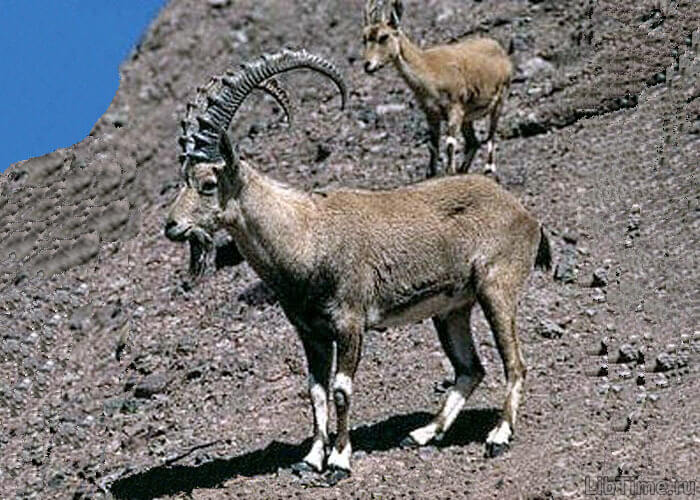
One night the hunters were far from the cordon, in the mountains of Zailiyskiy Alatau, a mountain range on the border of Kyrgyzstan and Kazakhstan. In the pursuit of mountain goats they were so exhausted during the day that they could hardly move their legs. The rifle seemed incredibly heavy. Every now and then they had to shift it from shoulder to shoulder.
Disappointed with their unsuccessful hunt, they walked sluggishly behind each other, breathing heavily on the uphills and stumbling over rocks on the downhills. But everything comes to an end: the distant light at the cordon appeared from the crest of the pass. Warmth, rest and dinner were waiting for them there. They sat down on the rocks one last time before descending to the house.
The Hunters' Return to the Cordon
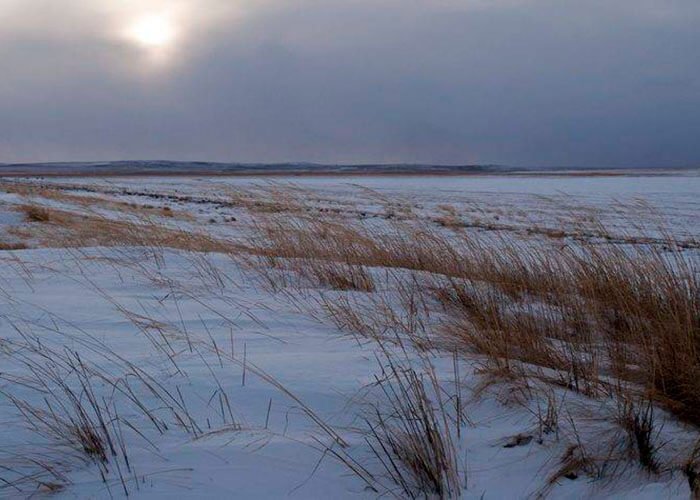
The silence of the night in the mountains was broken only by the chilling gusts of wind and the crackling of ice on the river. The proximity of the cordon somehow immediately calmed the hunters down, and they looked around with interest. On the white slope there were black blocks of stones, rising above the snow in dark, bizarre patches. Below, the same dark spots seemed to move slightly in the wind — they were bushes.

The hunters later returned to the cordon hut. The night in the heated room, under a warm blanket and on a featherbed, flashed by like a moment. In the morning the sun rose from behind the mountains in a frosty haze. The thermometer outside the window showed minus twenty-five, but the day promised to be bright and sunny. The wind had stopped. On the top of the mountain against the cordon lay a cloud, golden pink from the low sun.
Night and the Starry Sky in the Mountains
A vast starry world spread out overhead above the resting hunters. From the top of the pass, the stars seemed closer than usual in the thinner air. Far below in the gorge, the lights of a car flickered.
The beam of only one headlight ran past the cordon light, plucking from the darkness a running triangle of paved highway of a most unusual whitish color. Around the corner of the mountain the beam disappeared. The noise from the car did not reach this altitude.

How a Fox Disperses a Ptarmigan Flock
A fox attacking a roost scatters a tightly huddled ptarmigan flock, and the scattered birds often pay a deadly price in the cold. Suddenly the silence of that night was blasted by a loud takeoff and the cries of ptarmigan, then silence returned. It was clear — a fox had dispersed their flock, and now the birds, separated from the warmth of the group, could freeze in the frosty wind.
Tracking the Fox and Ptarmigan Trail
The huntsman decided to go and see what had happened during the night to the ptarmigan. Following his own tracks, he quickly climbed up the pass and sat down again on the same rock where the hunters had rested the night before. Just then the ptarmigan screamed down below to the right. The huntsman got up and went down, wandering the slope for a long time and looking for their sleeping place. He found it on a fox trail.
Behind a large rock, the snow was tamped with ptarmigan feet and soaked with blood. Judging by the scattered feathers, the fox had crushed and eaten only one bird. The others had scattered. For a long time the huntsman persistently searched for the place where the birds had landed. At last he found half-crosses of footprints on the snow. A ptarmigan had run here. Soon the tracks broke off and ended with semicircular furrows from wingbeats — so the bird was alive.

Survival of the Scattered Flock
For the scattered ptarmigan, surviving the night alone depended entirely on finding shelter from the killing wind. Walking back along one trail, the huntsman found that a ptarmigan had sat down at night near a large rock and, sheltering behind it from the wind, had safely spent the frosty night. That single bird's instinct to tuck into the lee of the stone saved it. The rest had flown across the gorge in the dark and landed on the opposite mountainside.
The others were not so fortunate. After spending half an hour descending into the gorge and climbing the mountain, the gamekeeper began his inspection and almost stepped on a ptarmigan sitting in the snow — only the hump of its back and the retracted head were visible. One more step, and it was clear the bird had frozen on a bare slope where the prickly wind had whistled all night in twenty-five-degree frost.
The tracks told the final story. The ptarmigan had landed lower and run uphill in the dark, the distance between its red-footed prints growing shorter and shorter until it stomped on the spot and sat down — the last steps of its life. At the very top of the slope lay another frozen bird that had tried running down. Probably the two had heard each other land and run toward one another, hoping that pressed together they would not freeze.
How many ptarmigan do foxes kill in the mountains on frosty nights?
The huntsman held an icy downy lump in his hands. The ptarmigan, as if alive, sat in his palm, pulling its head with the fiery red beak into its shoulders. The sharp black stripes on its sides and the black collar on its chin seemed especially bright against its ash-gray plumage — a vivid reminder that, for a flocked bird, separation from the group in deep cold is as lethal as any predator.
Equipment and Gear for Winter Ptarmigan Hunting
Winter ptarmigan gear centers on a light upland shotgun or small-bore rifle, quality optics, and clothing rated for deep cold and long climbs. Because hunts often involve significant elevation gain over snow, every item should earn its place by weight. The right kit lets you stay out longer, see more birds, and shoot well with numb hands.
Choosing a Shotgun and Ammunition
A 20-gauge shotgun is the most popular all-around choice for ptarmigan, balancing reach for flushing flocks with light weight for the climb. The .410 bore suits experienced shooters who prize minimal recoil and weight and hunt birds at close range, while the 20-gauge offers more forgiving patterns for on-the-wing shooting. Light field loads with smaller shot are plenty for these soft-feathered birds. Suggested options:
- 20-gauge: the versatile default for wingshooting flushing flocks at moderate range.
- .410 bore: minimal weight and recoil for close-range, ground-and-flush shooting by skilled hunters.
- Scoped .22-caliber rifle: a .22 Long Rifle or .22 Magnum is favored by hunters who target sitting birds at distance and prefer a precise, quiet shot.
The choice between ground hunting and on-the-wing shooting often dictates the weapon: a scoped rimfire excels at picking off resting birds, while a 20-gauge shines when the flock erupts. Many Alaska hunters carry one of each philosophy depending on whether they expect tight-holding or jumpy birds.
Binoculars for Bird Spotting
A good binocular is arguably the most important ptarmigan tool, letting you find white birds on white slopes before you waste energy climbing to them. Glassing from a high vantage and scanning exposed ground for dark eyes, beaks, and movement saves miles of walking. A compact 8x or 10x binocular is ideal — powerful enough to pick out detail yet light enough to wear all day. Gear-focused communities such as rokslide.com frequently discuss optics suited to this kind of open-country spotting.
Cold-Weather Clothing and Safety
Layered, moisture-wicking clothing is essential because ptarmigan hunting alternates between hard climbing and long, motionless glassing in brutal cold. The true account above — a bird frozen overnight in minus twenty-five degree wind — is a stark reminder of how lethal alpine cold can be, for hunter and quarry alike. Brands such as First Lite are popular among Alaska upland hunters for technical layering systems. Pack with safety in mind:
- Insulating mid-layers and a windproof outer shell to block scouring ridge winds.
- Snowshoes or skis to cross deep snow efficiently, plus consideration of snow machine access for distant valleys.
- Eye protection and sunscreen against intense glare off the snow.
- Navigation, fire-starting, and emergency shelter for the very real risk of being caught out after dark.
Fitness and physical conditioning underpin all of it. High-elevation winter hunts demand sustained climbing in cold air over unstable footing, so conditioning your legs and lungs beforehand is as much a safety measure as a performance one.
Using Dogs for Ptarmigan Hunting
A well-trained dog improves ptarmigan hunting by locating tight-holding birds and retrieving downed game from deep snow and brush. In open alpine terrain a flushing or retrieving breed earns its keep on cripples that would otherwise be lost. A dog's nose also finds birds tucked into snow burrows or conifer edges that a hunter would walk past.
Retrieval and Bird-Dog Performance
Retrieving breeds such as the Labrador excel at recovering ptarmigan from snow, brush, and across gorges where a hand retrieve is impossible. A steady Black Lab will mark multiple birds from a flush and bring them back without damaging the soft-feathered carcasses. Cold, snow, and altitude tax a dog hard, so conditioning, paw protection, and frequent rest are part of responsible canine use in winter. Match the dog's drive and coat to the severity of the terrain you intend to hunt.
Ptarmigan Hunting in Alaska and Canada
Alaska offers some of the world's finest ptarmigan hunting, with generous seasons and all three North American species available across vast public land. The willow ptarmigan is Alaska's state bird, and hunters working from Anchorage can reach productive country in the Chugach Mountains, the Talkeetna Mountains, the Kenai Peninsula, and even Kodiak Island. Northern destinations in Canada — including Labrador and Northern Manitoba — hold abundant willow ptarmigan as well.
A standout opportunity in Alaska is pursuing multiple species in one day, sometimes called a ptarmigan "grand slam," by hunting willow ptarmigan in low willow flats, rock ptarmigan on mid-elevation rocky slopes, and white-tailed ptarmigan on the highest tundra. Outlets like MeatEater, featuring hunters such as Steven Rinella and Danny Rinella, and the Alaska Fish & Wildlife News have documented this kind of multi-species pursuit and the state's strong ptarmigan culture.
Ptarmigan populations are famously cyclical, swinging through years of boom and scarcity. Biologists with the Alaska Department of Fish and Game's Division of Wildlife Conservation, including small game researchers such as Rick Merizon, track these fluctuations and abundance patterns, which is why checking recent reports before planning a trip pays off.
Ptarmigan Hunting Regulations and Bag Limits
Ptarmigan are managed as small game, and hunters must follow current state or provincial regulations covering seasons, bag limits, and licensing before heading afield. In Alaska, seasons are long and bag limits generous compared with most upland birds, but exact dates and limits vary by region and change year to year, so consulting the official regulations is mandatory. Legal compliance is the hunter's responsibility, not an optional courtesy.
- Confirm the current season dates for the specific game management unit you plan to hunt.
- Verify daily bag and possession limits, which can differ between regions and species.
- Carry the required hunting license and any small game stamps or harvest reporting.
- Respect closures around national parks such as Denali National Park and Preserve, where hunting rules differ.
Ptarmigan as Table Fare and Meat Preparation
Ptarmigan is excellent eating, with lean, dark, mildly gamey breast meat that reflects the bird's diet of buds and berries. The flavor is richer than domestic poultry but less strong than many wild waterfowl, making it approachable for first-time wild-game cooks. Because the meat is lean, it is best cooked quickly to medium-rare for the breasts or braised slowly for the legs to keep it tender.
Field care matters in the cold: birds taken in deep winter chill almost instantly, which helps preserve quality, but breasting birds promptly and keeping the meat clean of feathers and grit pays off at the table. Simple preparations — seared breasts, or legs simmered into a stew — let the bird's natural flavor come through.
Tips for Beginners and Family-Friendly Hunts
Ptarmigan hunting is one of the most accessible and family-friendly upland pursuits, thanks to forgiving birds, beautiful country, and low-pressure shooting. Beginners succeed because flocks hold reasonably well, ground shots are common, and a missed flush often leaves birds nearby for a second chance. Keeping early outings short and close to the trailhead builds confidence without overwhelming new or younger hunters. First-time tips:
- Start in accessible, lower-elevation areas before attempting long high-country climbs.
- Plan hunt duration and distance conservatively, allowing extra time for cold and snow travel.
- Hunt with someone experienced who can teach sign reading and safe shooting.
- Bring binoculars and practice spotting birds before worrying about shooting.
- Carry food, water, and extra warm layers so the day stays enjoyable for everyone.
Booking a guided ptarmigan adventure is another low-stress option for families and newcomers, since guides handle access, gear, and dogs while teaching the fundamentals. Rates and availability vary by outfitter and region, so book early for prime winter dates. For more outdoor reading, explore related stories in the Travel and Stories sections, or browse the full article index.