How Organized Sports Benefit Children's Development and Growth
 libre
libre
Sports give children with disabilities measurable gains in physical health, confidence, social connection, and even academic achievement — and with today's adaptive equipment, inclusive programs, and legal protections, almost every child can find a sport that fits their interests and abilities. Whether a child swims, plays wheelchair tennis, joins a Special Olympics team, or simply runs around a backyard pitch, the benefits reach far beyond the playing field. This guide explains those benefits, how to choose the right adaptive sport, the access rights families can rely on, and the programs that help children get started.
Benefits of Sports for Children with Disabilities
The benefits of sports for children with disabilities are physical, emotional, social, and cognitive at once, and research consistently shows that active disabled children enjoy better health and stronger life outcomes than sedentary peers. Sports build cardiovascular fitness, muscular strength, and motor coordination while simultaneously developing self-esteem, friendships, discipline, and independence. For children with autism, Down syndrome, mobility impairments, or sensory differences, structured physical activity offers a route to participation, identity, and belonging that many face barriers to elsewhere.
According to the Centers for Disease Control and Prevention, millions of US children live with a disability, yet they remain far less likely than non-disabled children to meet recommended activity levels. The American Academy of Pediatrics recommends that children and teens ages 6–17 get at least 60 minutes of moderate-to-vigorous physical activity most days, and this guideline applies to children with disabilities just as much as their peers — with appropriate adaptations. Closing that activity gap is one of the most effective things parents, schools, and communities can do for a disabled child's long-term wellbeing.

Two ways of thinking about disability shape how sports programs operate. The medical model focuses on a child's diagnosis and limitations, while the social model — increasingly favored in sport management and inclusive education — locates the "problem" in environments and attitudes that exclude, rather than in the child. Adaptive sports succeed when they remove barriers and design for participation, treating disability as a difference to accommodate rather than a deficit to fix.
Physical Health Benefits of Adaptive Sports
Adaptive sports deliver the full range of physical health benefits — stronger hearts, denser bones, better weight management, and greater resistance to chronic disease — to children whose bodies are too often left out of regular exercise. Movement that is regular, enjoyable, and appropriately challenging improves nearly every measurable health marker, and the gains compound across childhood into adulthood.
Cardiovascular Endurance and Muscular Strength Development
Cardiovascular endurance and muscular strength both improve when children with disabilities take part in regular sport, the same way they do for any child. Running, swimming, wheeling, and sport-specific drills raise heart and lung capacity, while resistance from pushing a racing chair, propelling through water, or performing gymnastics movements builds muscular strength and endurance. For autistic children in particular, studies have linked consistent physical training to gains in muscular strength and endurance alongside reduced irritability.
Bone Density and Strength Training for Children with Special Needs
Weight-bearing activity and strength training raise bone density in children with special needs, which matters because limited mobility can otherwise leave bones fragile. Gymnastics, track and field, and supervised resistance work load the skeleton in ways that stimulate bone growth during the years when density is still being built. The American Academy of Orthopedic Surgeons emphasizes that age-appropriate strength training, properly coached, is both safe and valuable for growing children.
Chronic Disease and Childhood Obesity Prevention
Physical activity is a frontline strategy for preventing childhood obesity and the chronic diseases that follow it, and children with disabilities — who face higher obesity rates — benefit especially. Regular exercise supports weight management, improves insulin sensitivity, and reduces the lifetime risk of heart disease, type 2 diabetes, and several cancers; the National Institutes of Health has documented that leisure-time physical activity is associated with reduced risk for many cancer types. Childhood obesity also shows marked racial and ethnic disparities, making accessible community sport an important tool for health equity.
Improved Body Resistance to Illness
Systematic training strengthens a child's resistance to everyday illness, a benefit medical observers have noted for generations. Under the influence of regular exercise, children tend to gain healthy weight and height, develop fuller breathing, and show greater resistance to colds and infections. For children managing conditions such as asthma, supervised, well-paced activity can actually improve respiratory control rather than threaten it, provided a doctor has tailored the program.
Emotional and Social Benefits
Beyond the body, sports build confidence, friendships, emotional regulation, and character — and for many children with disabilities these psychological and social gains are the most life-changing of all. Team membership creates belonging, competition teaches resilience, and routine movement steadies mood. Physical activity also triggers the release of mood-supporting chemistry, including oxytocin during cooperative play and bonding, which helps explain why active children report better mental health.
Building Confidence and Independence Through Sports
Sports build confidence and independence by giving children repeated, visible proof of what their bodies can do. Mastering a swim stroke, returning a tennis serve, or scoring a goal turns "I can't" into "I did," and that self-esteem carries into school, friendships, and daily living. Freedom of movement — sometimes enabled by a prosthesis, a racing wheelchair, or simply a coach's patient instruction — gives disabled children a sense of agency that strengthens independence across the rest of their lives.
Physical activity also supports mental health directly. Exercise is associated with reduced depression and lower rates of suicidal ideation among young people, and it offers emotional regulation through routine physical movement — a benefit many autistic children and their families value highly. Track and field, swimming, and martial arts in particular provide the predictable, repetitive structure that can calm anxiety and reduce irritability.
Developing Camaraderie, Character, and Will to Win
Team sports develop camaraderie, character, and the will to win — qualities that running, jumping, and breathing exercises alone cannot teach. Sport not only strengthens children physically but shapes them spiritually: it nurtures perseverance, the ability to navigate quickly under pressure, a sense of fair play, and loyalty to teammates. Soccer and other team games build social skills and cooperation, while martial arts and individual sports cultivate self-discipline and personal accountability. Choosing between team and individual sports often comes down to a child's temperament and sensory needs.
Academic Achievement and Career Success Correlation
Sports participation correlates strongly with academic achievement and later career success. Research from the University of Michigan, including work by Philip Veliz, and from organizations such as the Women's Sports Foundation links youth sport to higher college attendance and graduation rates, better grades, and stronger workplace outcomes. The discipline, time management, executive functioning, and teamwork developed through sport transfer directly into classrooms and careers — benefits that hold for children with disabilities as much as for anyone.
Choosing the Right Adaptive Sport for Your Child
The right adaptive sport is the one that matches your child's interests, abilities, and sensory profile — there is no single best choice, only the best fit. With thoughtful selection and a supportive program, nearly every sport can be adapted, from team games to individual pursuits to therapeutic activities involving animals.
Matching Sports to Individual Interests and Abilities
Match a sport to your child by starting with what they enjoy and what their body and senses can comfortably handle. Selecting appropriate sports by individual ability means weighing mobility, coordination, communication style, and sensory sensitivities — a child who finds loud team environments overwhelming may thrive in swimming or martial arts, while a child who craves connection may flourish in soccer. The recommended age to start is generally early; motor skills develop most readily in childhood, so introducing movement young pays lasting dividends, though it is never too late to begin.
Popular Adaptive Sports Options
A wide range of sports adapt readily for children with special needs, each offering a distinct mix of benefits:
- Swimming — ideal for children with mobility disabilities and a favorite low-impact, full-body exercise for autistic children, offering buoyant freedom of movement and sensory regulation.
- Wheelchair tennis and adaptive tennis — including standing adaptive tennis and programs for deaf, hard-of-hearing, and visually impaired players, governed by classification systems and adaptive rules such as the two-bounce wheelchair rule.
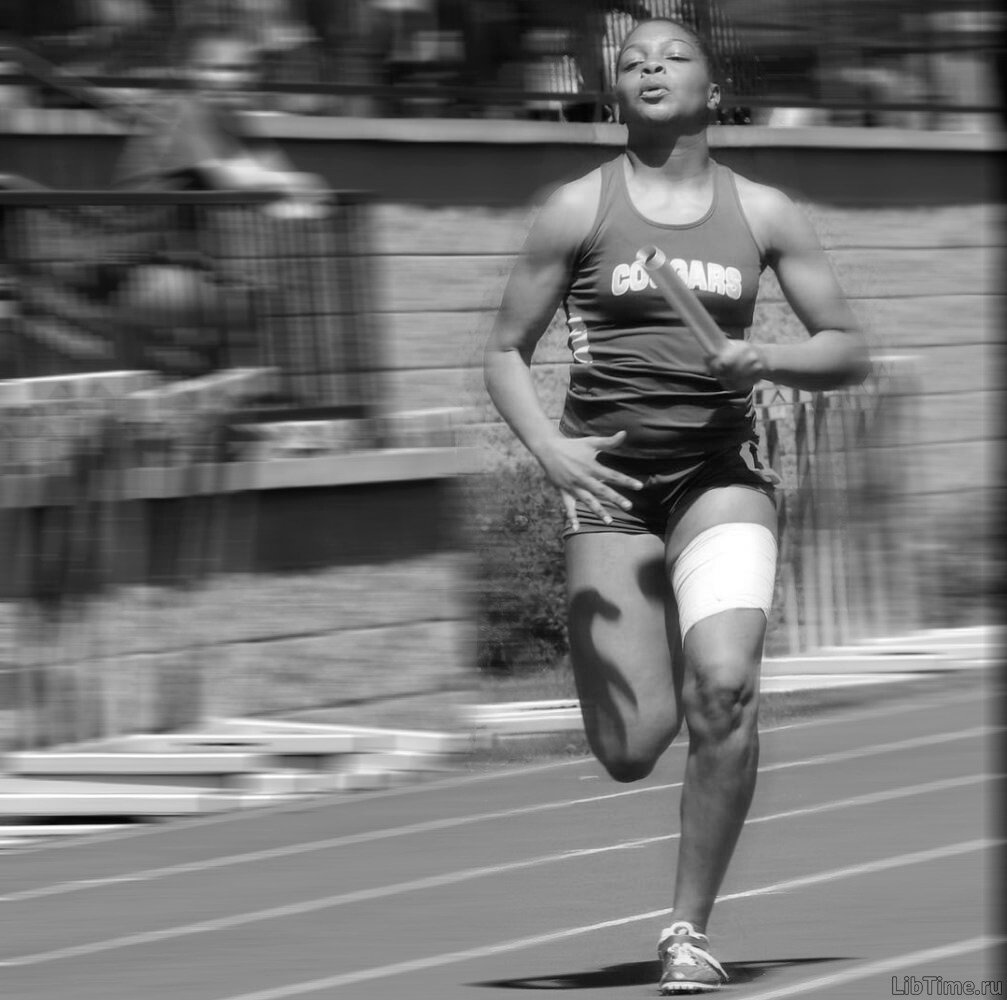
- Track and field — excellent for emotional regulation through repetitive, predictable movement, and a gateway to competitive and Paralympic sport.
- Soccer — builds teamwork, competition, and social development; from backyard kickabouts to organized leagues.
- Gymnastics — supports inclusive development of strength, balance, and motor skills.
- Martial arts — prized for self-discipline, individual practice, and structure, with documented benefits for children with autism.
- Horseback riding (therapeutic riding) — animal therapy that improves balance, core strength, communication, and emotional connection for children with special needs.
Adaptive tennis deserves particular note for families seeking a competitive pathway. International adaptive tennis organizations sanction wheelchair tennis at the Paralympic level, and the sport continues to grow rapidly; the future of adaptive tennis heading into 2026 includes expanding youth pathways, more accessible facilities, and broader player development programs across standing, wheelchair, deaf, and visually impaired divisions.
Getting Started with a Local Team or Program
Getting started usually means finding a local team, club, or program and showing up to a first practice — much as children have always joined neighborhood teams. Organizations such as Special Olympics, Move United, and Miracle Sports run inclusive teams across many sports, while regional groups like Accessible Sports Greater Kansas City and the SportsAbility Alliance (with its annual SportsAbility Expo, run by the Florida Disabled Outdoors Association) connect families to opportunities nearby. A welcoming coach, basic equipment, and a place to play are often all it takes to begin — the same ingredients that have powered backyard teams for decades.
Access and Inclusion in Sports Programs
Access and inclusion determine whether adaptive sport is genuinely available, and too many disabled children still face barriers that have nothing to do with their ability to play. Building inclusive environments means addressing those barriers deliberately across programs, schools, and facilities.
Common Barriers to Adaptive Sports Participation
The main barriers to adaptive sports participation are a shortage of recreational opportunities, cost, transportation, inaccessible facilities, lack of trained coaches, and low awareness among families. Project Play at the Aspen Institute and its State of Play reports — including State of Play Tacoma-Pierce County — document persistent gaps in opportunity, and researchers note significant data-collection gaps in disability sport participation that make these inequities harder to track and fix. Recognizing these barriers is the first step to dismantling them.
Building Inclusive Sports Environments
Inclusive sports environments are built by designing for mixed-ability groups from the start, training coaches well, and integrating disabled athletes into mainstream programs rather than separating them. Coaching quality is decisive: coaches trained to communicate with and adapt for children with special needs are the single biggest factor in whether participation produces positive effects. Integration strategies range from parallel activities to fully unified teams, and the best programs offer a spectrum so every child can take part at the right level.
Adapted Physical Education in Schools
Schools play a central role through adapted physical education, which the Individuals with Disabilities Education Act (IDEA) requires be made available to eligible students. Adapted PE modifies activities, equipment, and instruction so students with disabilities can participate meaningfully in physical education and school sport. Researchers including Dr. Sean Healy and Cindy Piletic have advanced the field of adapted physical education and sport accessibility, helping schools move from exclusion toward genuine inclusion.
Accessibility and Equipment Requirements
Accessible facilities and appropriate equipment are prerequisites for participation, from ramped courts and pool lifts to sport-specific adaptive gear. Specialized sports products enhance agility and performance for disabled athletes — racing wheelchairs, adaptive grips, and a range of prosthetics. Children who use a prosthesis for sport may rely on a prosthetic sports foot, a sports knee joint, or running blades such as a Runner junior model, all designed to handle athletic loads that everyday limbs are not built for. Sports-specific prosthetics meaningfully improve athletic performance and let children compete on more even terms.
Legal Rights and Compliance
US law gives children with disabilities enforceable rights to access school and community athletics, and parents who know these rights can advocate effectively. Several overlapping statutes require schools and facilities to include disabled students rather than exclude them.
ADA and Rehabilitation Act Compliance in Athletics
The Americans with Disabilities Act (ADA) and Section 504 of the Rehabilitation Act prohibit discrimination against students with disabilities in athletics and require reasonable accommodations and equal opportunity to participate. The Office of Civil Rights has clarified that schools must provide students with disabilities equal access to extracurricular athletics, whether through inclusion in existing teams or, where needed, comparable adaptive options. Diversity and inclusion mandates in athletics increasingly draw on accountability models pioneered under Title IX, applying similar enforcement logic to disability inclusion.
ADA Facility Compliance Requirements
ADA facility compliance requires that athletic venues — gyms, fields, courts, locker rooms, and spectator areas — be physically accessible to people with disabilities. This includes accessible routes, entrances, restrooms, and viewing areas, and applies to accessibility in tennis facilities and every other sport setting. Facilities that fail to meet these requirements create barriers that the law treats as discrimination, not oversight.
Athletic Director Responsibilities for Disability Sports
Athletic directors carry responsibility for ensuring disability sports provision, ADA compliance, and inclusive opportunity within their programs. Their duties include budgeting for adaptive equipment, training coaching staff, ensuring facility accessibility, and creating pathways for disabled students to compete. Parents advocating with institutions can reasonably expect athletic directors to treat inclusion as a core obligation rather than an optional extra.
Pathways to Competitive and Paralympic Sport
For children who want to compete seriously, clear pathways lead from local programs all the way to the Paralympic Games. Talent, dedication, and the right development support can take a young adaptive athlete to elite competition, just as they can for any sport.
Athletic Development for Paralympic Competitors
Athletic development for future Paralympic competitors follows a long-term pathway of skill-building, classification, training, and competition. The Paralympic Games sit at the summit of adaptive sport, and many champions began in community programs and school teams as children. Adaptive tennis tournaments, regional Special Olympics events, and Move United competitions all serve as stepping stones, while classification systems ensure athletes compete fairly against others with comparable function.
Preparing for Medical Clearance and Competition
Competition usually requires medical clearance, and a pre-participation physical evaluation is a standard, sensible safeguard rather than an obstacle. A pre-sports medical examination checks that a child is ready to compete safely and flags any conditions that need management; specialists at programs such as the Children's Mercy Adaptive Sports Medicine Program — where physicians including Mark T Fisher, MD, FAAPMR and S. Margaret Wright, MD, MPH, FAAP practice — provide exercise counseling and medical considerations tailored to each child's specific disability. When a child does not pass at first, the answer is rarely a permanent "no": with targeted training organized by coaches and doctors together, many young athletes return to full participation the following season. Injury prevention protocols, proper conditioning, and good coaching keep adaptive sport safe.
Support Programs and Resources
A growing network of programs and resources helps families fund, find, and sustain adaptive sport participation. From state-funded services to in-home coaching, support exists at every stage.
California Regional Center and Community Programs
California Regional Center programs fund services and recreation for eligible children with developmental disabilities, often covering or subsidizing adaptive activities. Providers such as 24 Hour Home Care and Helping Hands Family offer Social Recreation Coaching — a Social Recreation Coaching service that pairs children with trained coaches to build social skills through guided recreational and sporting activity. These community-based supports turn entitlement into real, usable opportunity for participation.
Building Lasting Physical Activity Habits
Lasting physical activity habits are built in childhood and carry into adulthood, which is why early, positive sport experiences matter so much. Long-term participation patterns show that children who find a sport they love tend to stay active for life, gaining decades of cumulative health and social benefit. Parents play a defining role: encouraging without pressuring, finding parental support networks and community, and overcoming understandable fears about a child with special needs taking part. The reassurance from medicine and experience alike is consistent — with the right program, the benefits of participation far outweigh the risks.
A Real-World Story: A Backyard Team in Action
Sometimes the clearest proof of sport's value comes from an ordinary backyard team. In one of the many yards of a city neighborhood, a coach named Volodya Grachev spent four years working with around a hundred local boys, organizing them into soccer, hockey, and volleyball teams that trained regularly, competed, and hiked together. What began amid complaints from neighbors — trampled flowerbeds, broken windows — became a thriving club once the children were given a room of their own to clean up, paint, and fill with nets, sticks, balls, skates, and skis.
One moment from that team speaks directly to every family navigating medical clearance today. Before a regional competition, the young athletes had to visit a sports medical center for examination, and one player was not cleared to compete. Rather than ending his sporting life, his coach worked together with doctors to organize special training; the following season he returned as a full member of the team. Running, jumping, breathing exercises, and special drills for arms and legs had made the children stronger, more enduring, and healthier — and had built camaraderie, character, and the will to win along the way.
The lesson holds for adaptive sport as much as for those backyard soccer players: no matter a child's starting point, results come from patient work, good coaching, and the chance to take part. You can also read an interesting article about the benefits of physical activity. Even if not every child becomes a champion, everyone benefits — because sport, at its heart, is a hardening of body and spirit, and facts are stubborn things. For more on related topics, explore our Medicine and Sports sections.