Natural Monuments of Ukraine: Complex, Botanical and Geological Protected Sites
 libre
libre
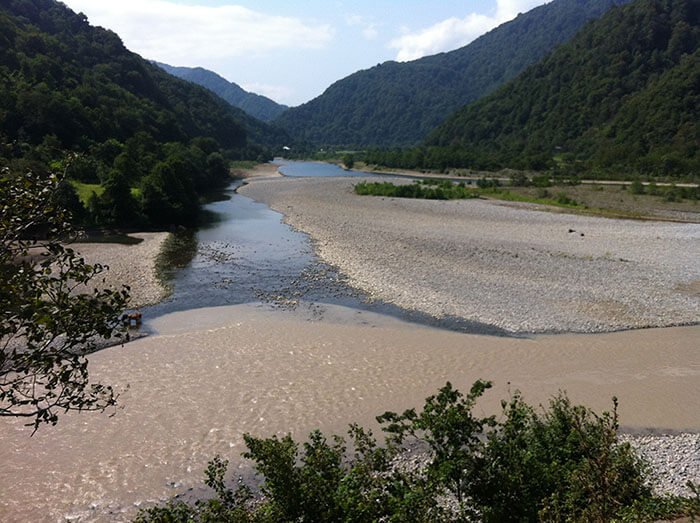
The principal element of Ukraine's complex natural monuments is its unique landscape and scenic relief forms — exotic rock outcrops, river canyons, ancient gullies, river reaches, sandspits, solitary mountains, and similar features. These monuments are the most valuable of all.

What are complex natural monuments?
Complex natural monuments are protected sites where several natural values — landscape, vegetation, wildlife, and often historical heritage — combine in a single location. In Ukraine these monuments are especially prized because the scenery and the living world reinforce one another, so that a single rare tree, a colony of animals, or a fortified hill becomes far more striking thanks to its setting.
Which complex natural monuments are found across Ukraine?
Many of the most remarkable complex natural monuments on Ukrainian territory combine botanical, zoological, and historical interest. The following are among the most notable:
- The thousand-year-old Maxim Zalizniak Oak (a botanical monument) in Cherkasy Oblast grows within the Kholodny Yar tract. The oak itself is immensely valuable, but its beauty is heightened by where it stands — on a steep hill.
- Rare birches would inspire little wonder were it not for the sheer cliff face they cling to along the road to Vorokhta, on the northern slopes of the Carpathians.
- Rare nesting grounds of the white swans (a zoological monument) gain greatly from the fact that the birds chose a small, cosy lake in the secluded reaches of Volyn Polissia as their home.
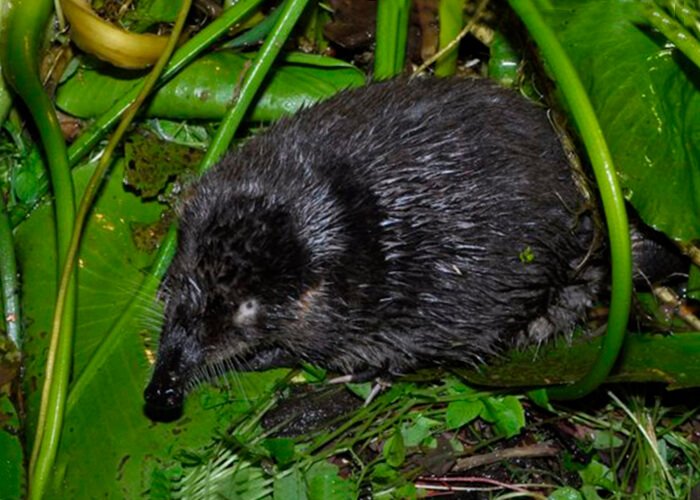
- A truly unique colony of black beavers lives on the picturesque Tchaikovsky Island in the Kremenchuk Reservoir.
- Cherkasy Oblast holds two complex natural monuments of historical significance.
- In the Burty tract of the Chornobai district stand fragments of a fortress from the time of Yaroslav the Wise, built as a defence against the Cumans. The chronicle town of Buroml, later Buromlia (today the village of Velyka Burimka), sits on the slopes of a high hill on the right bank of the Sula River, from which the whole Posullia region is clearly visible. The hill cuts into the marshy floodplain with steep, triangular projections. Three rows of massive earthen ramparts — the so-called Serpent's Walls, more than 5 metres high — once encircled the town. Excavations have uncovered charred rye, millet, and barley, along with a dugout containing millstones, remains of ceramic vessels, and a stone mould for casting women's jewellery. The 11th-century fortifications were built from thick oak timbers and clay, and many arrowheads — both Slavic and Cuman — have been found here.
- The Cossack Rampart with stretches of untouched virgin land in the Lysianka district holds genuine educational value. The ramparts rise more than 10 metres high, run 8 kilometres in perimeter, and cover 8 hectares in total. Their relief is highly distinctive and original, and the site supports vegetation typical of the Right-Bank steppe zone of Ukraine.
- A well-known complex natural monument is the Leliia tract in the Dnipropetrovsk region. An oak-and-maple grove and a stretch of steppe cloaked in virgin vegetation form an original landscape above the Oril River. The horseshoe-shaped Klenova Mountain seems to stand guard over this age-old terrain and its untouched steppe.

- Along the river's banks survive fragments of defensive works raised in the 18th century to ward off Crimean Tatar raids. Among the half-ruined fortifications the steppe vegetation is beautifully preserved, with an especially rich variety of medicinal plants. Even on the earthen defences grows a rare species — Lessing's feather grass. About 50 bird species inhabit the tract, among them the kestrel, the buzzard, and the long-eared owl.
- Rare, scenic landscapes in the floodplains and along riverbanks are also notable sights. The Horyn slopes in Volyn mark the northernmost section of forest-steppe reaching into Western Polissia, with stands of oak and pine.
- In Vinnytsia Oblast, within the Kniahynia tract on both banks of the Kamka River, individual sandstone outcrops of varied shape emerge to the surface amid forest plantations. Springs here feed the Kamianka River, and on the steep, rocky slopes of the tract grows the spring pheasant's-eye.
- In the Stinka tract of the Yampil district, oaks and ash trees grow on the steep slope of the Dniester's left bank, with individual oaks aged 300–380 years in the lower part of the slope. There are also many sandstone remnant rocks here.
- The Haidamak well-spring in the heart of a forest tract recalls the historical past of Podillia.
- In the Ternopil region (Buchach district), a classic complex landmark is a limestone remnant rock with a waterfall and the cave of the Seven Springs. Together with its woodland it covers 3 hectares.
- Typical Polissia tracts of the Chernihiv region also count among the complex landmarks. Here you find mixed forests, beaver runs, and rare patches of marsh, meadow, and forest vegetation.
- In the Lavryk tract (an old channel of the Seim River) lies a beaver settlement. The region's outstanding complex monument is Mezyn Switzerland — a magnificent hill landscape. Archaeological and palaeontological remains have been found here, including a settlement of mammoth hunters.
- In the Lviv region, valuable and distinctive landscapes with remnants of steppe vegetation are found on the mountains Lysa, Vysoka, Sviata, Shulytska, Sypukha, Hera, and Bilyi Kamin.
- Ten monuments of republican significance feature mountain scenery, three of them in the Carpathian foothills.
- Mounts Zhyvopysna and Kosovo in the Halych district — a rare blend of rocky hills with gypsum outcrops covered in relict steppe vegetation. The spring pheasant's-eye grows abundantly here.
- The Verkhnie Ozerysche tract — a strikingly picturesque hollow beneath Mount Hropa, with splendid vistas of high-mountain Carpathian forest and subalpine meadows.
- In the Volovets district of Zakarpattia Oblast stands Mount Vysokyi Kamin. These are scenic rocky landslides on the main watershed of the Eastern Carpathians, where sessile oak grows.
Where else can you find these natural treasures?
Interesting complex natural monuments exist in other regions of Ukraine as well. The country's natural monuments also include the Stone Grave near Melitopol and the Kremenets Mountains. Together, Ukraine's natural monuments are distinctive scenic landscapes, historical and geological treasures that introduce us to the rich plant and animal life of every physical-geographic zone of Ukraine.