How Forest Plants Reproduce: Pollination, Seed Dispersal, and Vegetative Methods
 libre
libre
Forest plants reproduce in two main ways — sexually, through pollination and seeds, and asexually (vegetatively), through roots, rhizomes, cuttings and other plant parts. Which strategy dominates depends on how much light reaches the forest floor: the darker the forest, the more herbaceous plants rely on vegetative propagation rather than seeds. The relationships between forest organisms that make reproduction possible are remarkably intricate, and understanding them matters for restoring and regenerating woodlands.
How do forest plants reproduce? An overview
Forest plants use two complementary reproductive strategies: sexual reproduction through seeds and asexual (vegetative) reproduction through roots, rhizomes, cuttings and specialized buds. Sexual reproduction produces genetic variation in the offspring because it recombines DNA and genes from two parents, while asexual reproduction creates clones that are genetically identical to the parent plant. Both occur side by side in a forest, and the balance shifts with light availability — herbaceous plants growing under a dense canopy often reproduce vegetatively because cross-pollination there frequently fails.
Most forest plants are angiosperms (flowering plants), but forests also contain gymnosperms such as pines, redwood and other conifers whose seeds develop in cones rather than enclosed in fruit. Beyond seed plants, forests harbour ferns and mosses, which reproduce by spores through an alternation of generations rather than by seeds. The discussion below moves from flower structure and pollination through seed dispersal to conservation, covering each of these reproductive routes.
Flower structure and the reproductive parts of plants
A flower is the reproductive organ of an angiosperm, and its parts divide into sterile structures and reproductive structures. The sterile, outer parts are the sepals (collectively the calyx) and petals (the corolla), which protect the bud and attract pollinators. The reproductive parts are the stamens — each consisting of an anther and filament, producing pollen — and the carpels (pistil), made up of the stigma, style and ovary, which contains the ovules.
The ovary's position relative to the other floral parts distinguishes superior flowers, where the ovary sits above the point of attachment, from inferior flowers, where it sits below. In an apple or pear, for example, the ovary is inferior and develops into the fleshy fruit. Some garden plants such as the rose or fuchsia have been bred into double flowers, in which extra petals replace stamens, often making them partly or wholly sterile.
Flower classification: complete, incomplete, perfect, staminate and carpellate
Flowers are classified by which parts they carry. A complete flower has all four whorls — sepals, petals, stamens and carpels — while an incomplete flower lacks one or more of them. A perfect (bisexual) flower contains both stamens and carpels, as in the lily, tomato or salvia; an imperfect (unisexual) flower has only one sex. Imperfect flowers are either staminate (male, bearing only stamens) or carpellate (female, bearing only carpels).
- Complete flower — sepals, petals, stamens and carpels all present.
- Incomplete flower — one or more whorls missing.
- Perfect flower — both stamens and carpels present (e.g. lily, tomato).
- Staminate flower — male only, bearing stamens.
- Carpellate flower — female only, bearing carpels.
This distribution of sexes defines whether a plant is monoecious or dioecious. Monoecious species carry both male and female flowers on the same individual — corn is a classic example, with male tassels and female ears on one plant. Dioecious species, such as holly (Ilex), Skimmia, Cannabis and Carica papaya, carry male and female flowers on separate individuals, so both sexes must be planted nearby for fruit to set. For trees, the practical distinction between monoecious and dioecious species governs whether a single specimen can fruit alone or needs a partner.
Pollination and fertilization in forest plants
Pollination is the transfer of pollen from anther to stigma, while fertilization is the subsequent fusion of the male gamete with the egg inside the ovule — two distinct steps. The pollen grain is the male gametophyte: it develops inside the microsporangium of the anther through microsporogenesis, then germinates a pollen tube that delivers two sperm cells. Its tough outer wall, the exine, is built from sporopollenin, one of the most chemically resistant biopolymers known, beneath which lies the inner intine.
The female gametophyte, called the embryo sac, develops inside the ovule. Megasporogenesis produces a megaspore from the megaspore mother cell, and megagametogenesis then forms the seven-celled, eight-nucleate embryo sac containing the egg cell. In angiosperms, double fertilization follows: one sperm fuses with the egg to form the zygote, and the other fuses with the central cell to form the nutritive endosperm. In gymnosperms such as pines, pollination delivers pollen directly to the ovule on an open cone scale, and fertilization can take many months.
Plants reproduce by self-fertilisation or cross-fertilisation. Self-fertilisation transfers pollen within the same flower or plant and preserves the parent's genotype; cross-fertilisation moves pollen between different individuals and generates greater genetic variation. Many species actively avoid selfing — Arabidopsis lyrata, for instance, is a model organism for studying self-incompatibility — which is why so many forest plants depend on cross-pollination.
Cross-pollination of different plants
One of the ways plants reproduce in a forest is cross-pollination between different plants. The early flowering of hazel, alder, aspen and willow (more: Early-flowering trees and shrubs) and of oak-wood herbs, and the flowering of white-flowered plants at the time the oak canopy fills with leaves and the forest grows dark — all of these are adaptations to cross-pollination.

Early flowering of trees and shrubs
Early flowering before leaf-out is a wind-pollination adaptation, letting pollen travel freely while the canopy is still bare. Hazel (Corylus) is a familiar example: its catkins release clouds of pollen in early spring before the leaves appear, so wind carries the grains unobstructed between plants.
Understory trees with white flowers
Understory trees flower in much the same way — the wild apple and pear trees, rowan, guelder rose and elder, and many others, also have white flowers, which helps insects find them in the gloom of the forest.

Pollination mechanisms and the pollinators involved
Pollination happens by two main mechanisms — wind (anemophily) and animals, chiefly insects (entomophily). Wind pollination suits species that flower early or grow in open stands, producing huge quantities of light, dry pollen. Insect pollination relies on bees, the honeybee and bumblebee, butterflies and moths, which are drawn by colour, scent and nectar; pale, white flowers stand out in dim forest light, while tubular flowers such as foxglove (Digitalis) suit long-tongued bumblebees and salvia suits specific visitors. Birds also pollinate some plants.
For gardeners and growers, cultivar selection for pollination compatibility is critical: many fruit trees are self-incompatible and need a compatible partner flowering at the same time. Where pollinators are scarce or weather is poor, hand pollination is the practical fix — transferring pollen with a soft brush, as is routinely done for tomato, Capsicum and indoor fruit. Sweet pea and pea, by contrast, are reliable self-pollinators and set seed without help.
Environmental factors that affect pollination
Environmental factors strongly influence whether pollination succeeds. Temperature, rainfall, wind, light levels and the presence of pollinating insects all play a part, and a cold, wet spring can suppress bee activity just when fruit trees are in bloom. Common pollination problems and their solutions include:
- Poor pollinator activity in cold or wet weather — supplement with hand pollination.
- No compatible cultivar nearby — plant a partner of the same flowering period.
- Dense canopy shading reducing insect visits — favour species adapted to low light or wind pollination.
- Dioecious plants with only one sex present — add the missing male or female plant.
The Royal Horticultural Society (RHS) publishes pollination-group guidance for fruit trees, and growers often compare notes in communities such as Reddit when diagnosing why a tree fails to set fruit.
Vegetative (asexual) reproduction of plants
Vegetative reproduction is asexual: a new plant grows from part of the parent and is genetically identical to it. In the forest, cross-pollination among low-growing herbs often fails to produce results, so these plants commonly rely on vegetative reproduction through roots, rhizomes and other underground parts. Lesser celandine and other oak-wood plants form special buds and tubercles on their stems, which serve as their means of propagation.

Similar adaptations occur in spruce-forest plants. The darker the forest, the more vegetative reproduction is developed in herbaceous plants and the less they reproduce by seed. Ornamental grasses such as Miscanthus spread the same way, expanding their clumps through rhizomes rather than relying solely on seed.
Reproduction through roots, rhizomes and underground parts
Roots, rhizomes, tubers and bulbs let a plant colonise ground steadily without flowering. A rhizome is a horizontal underground stem that sends up new shoots along its length, so a single individual can form a spreading clonal patch — a major advantage in deep shade where pollination is unreliable.
Asexual reproduction through cuttings and layering
Asexual reproduction through cuttings is the most widely used propagation method in horticulture and nurseries, because it reproduces a chosen plant exactly. A cutting — a piece of stem, leaf or root — is encouraged to form its own roots, while in layering a still-attached stem is bent to the ground and rooted before being severed. The basic steps for stem cuttings are:
- Take a healthy shoot and cut just below a node.
- Remove the lower leaves and, if desired, dip the base in rooting hormone.
- Insert it into a free-draining cutting mix.
- Keep it warm and humid until roots develop.
- Pot on once the new plant is established.
Because cuttings are clones, every offspring carries the same genes as the parent — invaluable for preserving a named cultivar's exact characteristics that seed-grown plants would not reproduce faithfully.
How seeds are dispersed in the forest
Seed dispersal moves seeds away from the parent so they avoid competing with it and colonise new ground, and forest plants achieve this by wind, animals, birds, ants and self-ejection. The methods of seed dispersal in the forest are very interesting. As a rule, forest herbs have very small seeds. In wintergreen — a characteristic plant of spruce forest — a single gram contains 300,000 to 400,000 seeds, and even a slight movement of air can shift them.

Other plants growing low in the spruce forest have slightly larger seeds. And if seeds are large, they always have additional adaptations that serve dispersal. The violet's seeds bear special outgrowths that forest ants use, dragging the seeds throughout the forest.

The difference between fruits and seeds
A seed is a fertilized, mature ovule containing an embryo, while a fruit is the matured ovary that surrounds and protects the seeds — so the fruit is the structure, and the seeds are inside it. An apple, tomato or bean pod is a fruit; the pips, pits or beans within are the seeds. This distinction matters for dispersal, because fleshy fruits attract animals that eat the fruit and pass the seeds, whereas dry fruits often split to release seeds or develop wings for the wind.
Many foods sold as nuts illustrate the point: almonds, cashews, pecans and walnuts are seeds, while the avocado and papaya (Carica papaya) are fruits whose seeds are dispersed by the animals that eat them.
Wind dispersal of tiny seeds
Tiny, lightweight seeds are dispersed by wind, which is why forest herbs of deep shade produce them in enormous numbers — the more seeds released, the greater the chance a few land somewhere suitable. The dust-like seeds of wintergreen described above are carried on the faintest air current, scattering far from the parent plant.
Seed dispersal by ants and insects
Some seeds are dispersed by ants, which are attracted to fleshy, oil-rich outgrowths on the seed coat. The violet relies on this: forest ants carry the seeds back toward their nests for the nutritious appendage, then discard the seed itself intact, effectively planting it some distance away.
Plants that scatter their own seeds
Certain plants disperse seeds themselves by explosive ejection. The wood-sorrel of spruce forest and the spring vetch of oak woods — a member of the legume family, like the pea and bean — "shoot" their seeds when the ripe pods split under tension, flinging them away from the parent.
Birds as seed-dispersal helpers
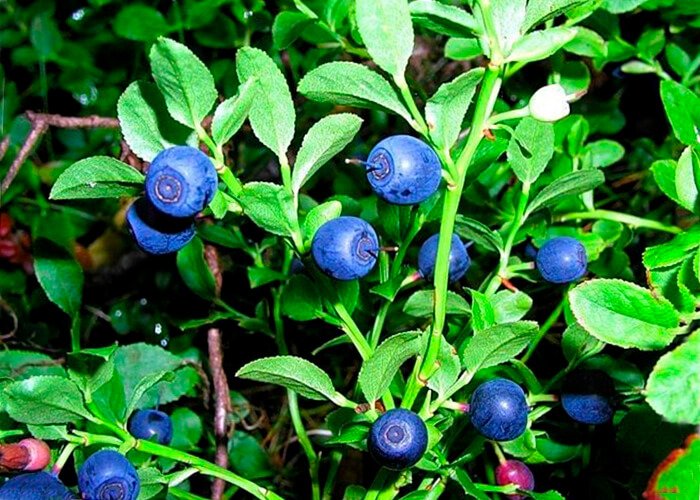
Birds disperse the seeds of berry-bearing forest herbs and shrubs. Herbs that form fleshy berries — lily-of-the-valley, herb-Paris and others — usually have helpers: birds that eat the berries. The seeds inside the berry pass through the bird's gut without losing viability and thus end up far from where they grew.
In the same way, with the help of birds, the seeds of rowan, wild apple, guelder rose, elder and many other understory trees and shrubs are dispersed.
Wind dispersal of winged conifer seeds
The seed-dispersal adaptations of trees whose seeds bear wings (samaras) are striking — in spruce, pine, fir and others. The wind catches such seeds and carries them a great distance from the tree.

It is worth noting that trees release their seeds at a particularly favourable time. In spruce and pine this is the pre-spring period, when an icy crust — a snow-crust — forms on the snow. A seed, having fallen onto the snow, is picked up by the wind and can be carried far from the parent tree across the smooth crust.
Dispersal of heavy seeds by animals
Heavy seeds are dispersed by animals that store them. But trees also have heavy seeds, for example the oak and the cedar pine. Such trees also have various helpers in seed dispersal. Squirrels, chipmunks, dormice and mouse-like rodents are especially helpful in this.

The role of squirrels, chipmunks and rodents
Squirrels, chipmunks and rodents disperse heavy seeds by caching them. Many of them lay in food stores for winter and drag the seeds about. In doing so, part of the seeds are lost and later germinate, so the forgotten caches become seedlings.
The role of jays and nutcrackers
Jays and nutcrackers also play a major part in dispersing large seeds. Jays disperse oak acorns, while nutcrackers take part in the spread of the cedar pine. In years when cedar seeds — the little nuts — are abundant, this busy bird continuously stuffs its crop with cedar nuts, carries them off and hides them quite far away — somewhere under moss and in other places, 100 metres or more from the tree. It sometimes makes hundreds of seed caches, and is thought to use only very few of them. Part of the seeds carried off by the nutcracker subsequently germinate.
Alternation of generations in the plant life cycle
All land plants pass through an alternation of generations — a life cycle that alternates between a haploid gametophyte stage and a diploid sporophyte stage. The sporophyte produces spores by meiosis; each spore grows into a gametophyte, which produces gametes; and the fusion of gametes restores the sporophyte. The two stages dominate to different degrees across plant groups:
- Mosses — the gametophyte is dominant and persistent; the sporophyte is small and dependent.
- Ferns — the sporophyte is dominant; the gametophyte is a tiny, free-living plate.
- Gymnosperms and angiosperms — the sporophyte is the visible plant; the gametophytes (pollen grain and embryo sac) are microscopic and enclosed.
In flowering plants, the male gametophyte is the pollen grain and the female gametophyte is the embryo sac, both reduced to a few cells — the same structures whose development by microsporogenesis and megagametogenesis was described above. This reduction of the gametophyte is one of the defining trends in the evolution of seed plants.
Factors that affect fruit and seed production
Fruit and seed production depends on successful pollination plus the right environmental and genetic conditions. Even a perfectly pollinated flower may fail to set if the plant is stressed, so growers watch several factors together:
- Pollination success — adequate pollinator activity or compatible cross-pollination.
- Cultivar compatibility — a partner of the right pollination group for self-incompatible trees.
- Climate and weather — temperature, frost, rainfall and wind during flowering.
- Plant vigour and nutrition — water and mineral supply.
- Light and shade — deep canopy shade reduces flowering and seed set.
Once seeds form, seed germination and dormancy govern whether they grow. Many tree seeds are dormant at shedding and need a cold or moist period before they will germinate — which is why growing trees from seed often requires stratification that mimics winter. Seed germination begins with water uptake, followed by emergence of the radicle and then the shoot.
Conservation, seed banking and seed viability
Conservation of plants increasingly relies on seed banking — collecting, drying and freezing seeds so species can be stored long-term and regenerated later. Seeds fall into two storage categories that determine whether banking will work:
- Orthodox seeds tolerate drying and freezing and can be stored for decades — most temperate trees and crops, such as pea and corn.
- Unorthodox (recalcitrant) seeds cannot survive drying, so they lose viability quickly and cannot be conventionally banked — many tropical species, including the avocado.
Seed storage and viability are central to both forest regeneration and the nursery trade. TreeWorld Wholesale, a grower serving South Florida and the Caribbean, illustrates how this works commercially: its seed-collection practices and inventory of tropical and flowering trees support tropical landscape design and reforestation across the region. Among the flowering trees popular for landscaping in South Florida are Handroanthus and the rain tree, Samanea saman — species chosen for both native and non-native tree planting schemes. The distinction between native and non-native tree species matters for sourcing, since native stock supports local ecology while non-native ornamentals fill specific design roles.
Understanding such relationships not only satisfies an interest in the life of the forest but has practical importance for the regeneration of our forests. Understanding how forest plants reproduce is only a small part of the complex relationships between the organisms that make up a forest community (more: What types of forests exist), and this community develops, flows through time, and steadily changes its composition, passing from one form to another.
For more on the natural world, browse our Nature and Agriculture sections.