Healing Properties of Plants: Medicinal Berries and Their Uses
 libre
libre
The healing properties of plants are astonishing and inexhaustible. People do not always recognise this remarkable gift of nature well enough to make full use of it for treating and preventing illness. Medicinal plants have accompanied human health care from the earliest civilisations right through to modern medicine, and their active compounds still underpin a large share of the drugs used today.

What are medicinal plants: definition and characteristics
Medicinal plants are species whose parts — leaves, roots, flowers, bark, seeds or fruit — contain biologically active substances capable of influencing the human body and being used to treat or prevent disease. The study and therapeutic use of these plants is known as phytotherapy, and it forms the historical root of pharmacology. Many familiar pharmaceutical agents began as plant extracts: aspirin traces back to salicylates in willow bark, morphine comes from the opium poppy, and digoxin, a cardiac drug, is derived from foxglove (Digitalis).
What distinguishes a medicinal plant from an ordinary one is its phytochemistry — the specific mix of compounds it synthesises. A single species may hold dozens of active molecules acting together, which is why traditional whole-plant preparations often behave differently from an isolated drug. Understanding this chemistry is the key to using plants safely and effectively.
A short history of herbal medicine
Herbal medicine is among the oldest forms of health care on record, with written traditions stretching back thousands of years across many cultures. Ancient texts from Egypt, India and China catalogued hundreds of plant remedies, and systems such as Ayurveda in India and Traditional Chinese Medicine developed sophisticated frameworks for combining herbs that are still practised today. Collectively, these bodies of knowledge are referred to as Traditional Medicine.
In Europe, apothecaries preserved and expanded this knowledge through the medieval and early modern periods, compounding plant-based remedies long before the rise of laboratory chemistry. One of the most influential figures was Nicholas Culpeper, a seventeenth-century English herbalist and physician who briefly studied at Cambridge University and practised in London. His work Culpeper's The Complete Herbal, first published in the 1650s and reprinted for centuries afterwards, made plant medicine accessible to ordinary people rather than only the wealthy.
The World Health Organization estimates that a large part of the world's population still relies on traditional, plant-based remedies for primary health care, and the WHO has issued guidelines encouraging the safe integration of these practices with conventional medicine. Institutions such as the National Library of Medicine (NLM) maintain living herb garden collections that document the plants historically used for healing, bridging the historical record with modern scientific validation.
Biologically active substances in plants
The healing action of plants comes from the biologically active substances they contain — compounds that are essential to the functioning of living organisms and that the body can use to correct or protect itself. The main groups include vitamins, minerals and trace elements, phytoncides, carbohydrates, proteins, amino acids, triterpenoids, organic acids and polyphenols. Each class is produced through the plant's own biosynthetic pathways, and its concentration varies with species, growing conditions and harvest time.
Vitamins and mineral substances
Vitamins and minerals are among the most nutritionally important active substances in medicinal plants. Berries and fruit are dense sources of vitamin C, carotenoids and B-group vitamins, while minerals and trace elements such as potassium, iron, magnesium and zinc support enzyme systems, blood formation and nerve function. Because these compounds arrive alongside fibre and antioxidants, plant foods often deliver them in a more balanced, better-absorbed form than isolated supplements.
Phytoncides, polyphenols and organic acids
Phytoncides are volatile antimicrobial compounds — the same ones that make garlic and onion pungent — and they help the body resist bacteria, fungi and viruses. Polyphenols, including flavonoids and tannins, are powerful antioxidants that neutralise free radicals and support blood-vessel health. Organic acids such as malic, citric and tartaric acid aid digestion, help regulate the body's acid–base balance and contribute to the characteristic taste of many fruits.
Triterpenoids, amino acids and proteins
Triterpenoids are a broad class of plant compounds with anti-inflammatory, protective and, in some cases, chemopreventive activity. Amino acids and plant proteins supply the building blocks the body needs for tissue repair, immune defence and enzyme production. Together these substances explain why whole-plant preparations can act on several body systems at once rather than targeting a single symptom.
Fruits and berries as remedies
Most vegetables and fruits — among which berries hold a prominent place — combine excellent flavour with genuine medicinal value. Knowing the chemical composition of berry-bearing plants and the way their active substances work makes it possible to use them deliberately for both nourishment and disease prevention.
The structure and types of healing berries
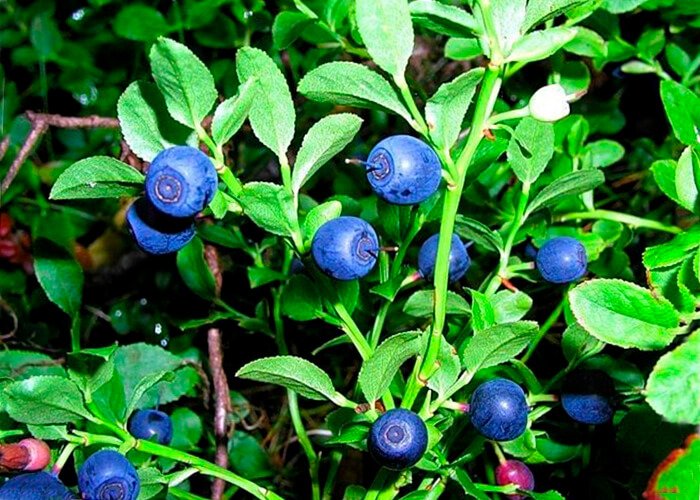
The pericarp of a berry is very juicy and made of two layers: an outer skin and an inner flesh, within which sit several or many seeds. Typical berries include the fruits of bilberry, lingonberry, cranberry, currant, grape, gooseberry, barberry, blackthorn, elderberry, hawthorn and blackberry, as well as tomatoes and aubergines.
Berry-like fruits and their benefits
Besides true berries, there are berry-like fruits: pumpkin, watermelon, lemon, orange, tangerine, apple, pear, apricot, rowan and quince. These fruits provide vitamins, fibre and antioxidants that support digestion, immunity and cardiovascular health, making them everyday medicines hidden in plain sight.
Healing properties of leaves, roots and tubers
Healing properties belong not only to the fruits themselves but also to the leaves, roots and tubers of berry-bearing plants. Roots often concentrate the highest levels of active compounds, which is why so many traditional remedies are prepared from them, while leaves are richer in volatile oils and vitamins. Harvesting the right part at the right stage of growth is therefore central to preserving a plant's therapeutic strength.
The main therapeutic properties of plants
Medicinal plants act on the body through a handful of well-documented mechanisms that modern research continues to confirm. The most consistently recognised are anti-inflammatory, antimicrobial and antiviral action, immune support and benefits for digestion. Bodies such as the NCCIH and University of Rochester Medicine publish evidence reviews that separate credible uses from folklore.
Anti-inflammatory properties of plants
Many plants ease inflammation, the underlying driver of pain, swelling and much chronic disease. Turmeric owes its anti-inflammatory reputation to curcumin, ginger contains compounds that reduce inflammatory signalling, and aromatherapy oils such as those from lavender have measurable calming and anti-inflammatory effects. These plants are increasingly studied as gentler complements to conventional pain and inflammation management.
Antimicrobial and antiviral action
Phytoncides and essential oils give several plants the ability to inhibit microbes and viruses. Garlic, goldenseal and tea tree are notable examples, and echinacea is widely taken to reduce the frequency and severity of colds. Tea tree oil is valued for topical antimicrobial use, though it is toxic if swallowed and should only be applied to the skin.
Support for the immune system
Certain herbs help the body defend itself by stimulating immune activity. Echinacea is the best-known immune-support plant, used to prevent and shorten respiratory infections, while ginseng is traditionally taken to restore energy and bring the body into balance. These plants work best as part of an overall healthy routine rather than as a substitute for it.
Benefits for digestion
Herbs have a long record of soothing the digestive tract. Peppermint relaxes the gut and eases spasms, chamomile calms an upset stomach, ginger relieves nausea, and milk thistle is taken to support liver health. For everyday digestive complaints, mild herbal teas remain one of the most accessible home remedies.
Preventing disease with plants
Knowing the chemical make-up of plants and how their active substances work makes it possible to use them successfully in preventing serious illnesses such as diabetes, atherosclerosis, coronary heart disease and many others. Prevention, rather than cure, is where dietary and medicinal plants show some of their clearest value.
Plants against diabetes and atherosclerosis
Fibre-rich fruits, polyphenol-dense berries and compounds such as those in garlic help regulate blood sugar and blood lipids, slowing the processes that lead to diabetes and atherosclerosis. Antioxidants from plant foods protect blood vessels from oxidative damage, one of the early steps in arterial disease.
Plants for a healthy heart and blood vessels
Several plants are traditionally used to support cardiovascular health. Hawthorn — including the species Crataegus ambigua — has a long reputation for supporting heart function, garlic is associated with modest improvements in blood pressure and cholesterol, and ginkgo, from Ginkgo biloba, is used to support circulation. Because plants such as hawthorn can be affected by fireblight, growers protect them carefully to keep the harvest healthy.
Plants in the prevention of cancer
Research into cancer chemoprevention has highlighted a number of plants and their compounds. Grape extracts and grapeseed extract, from Vitis vinifera L, are studied for their antioxidant, cancer-fighting properties; rosemary (Rosmarinus officinalis L) is investigated for a possible role in colorectal cancer prevention; and soy, from Glycine max, is examined for its relationship to breast cancer risk. These are areas of active study rather than proven cures, and plants should complement, not replace, medical screening and treatment.
A guide to popular medicinal plants
Among the many medicinal plants suitable for home growing, a core group stands out for being well studied, widely used and relatively easy to cultivate. Botanists and horticulturists — including specialists such as Blake Burger, Amy Finke and colleagues in horticulture departments — often recommend these as a starting collection for a home medicinal garden, many of which grow well even in a challenging climate like Colorado.
Chamomile: sleep, digestion and use
Chamomile (Matricaria chamomilla) is one of the most popular and gentle medicinal herbs, valued for promoting sleep, calming anxiety and soothing digestion. Taken most often as a tea, it has a strong safety profile for most adults, though people allergic to plants in the daisy family should use it with caution. Chamomile grows readily in full sun and well-drained soil, making it an easy choice for beginners.
Echinacea for strengthening immunity
Echinacea is grown both as an ornamental and for its immune-supporting properties, widely used to help prevent colds and shorten the length of respiratory infections. It is hardy, drought-tolerant and attractive to pollinators, which makes it a practical addition to a home garden as well as a medicine chest.
Garlic and cardiovascular health
Garlic is one of the most versatile healing plants, prized for its phytoncides and its beneficial effects on the heart and blood vessels. Regular culinary use is linked with modest support for healthy blood pressure and cholesterol, and its antimicrobial action has been recognised since antiquity.
Lavender, elecampane and other healing herbs
Lavender, especially English lavender (Lavandula angustifolia Vera), is grown for its fragrance and its ability to ease anxiety and inflammation, and it thrives in the dry, sunny conditions found in much of Colorado. Elecampane (Inula helenium) is a tall perennial used for respiratory complaints; hyssop (Hyssopus officinalis) and holy basil (Ocimum tenuiflorum) are aromatic herbs with digestive and calming uses; peppermint (Mentha x piperita) is an easy-spreading digestive herb; and calendula (Calendula officinalis) is grown indoors or out for skin-soothing topical preparations. Plantain (Plantago major), often dismissed as a weed, is both edible and a traditional remedy for minor wounds, while yarrow and sage round out a classic apothecary garden.
Feverfew for migraine and arthritis
Feverfew is a daisy-like herb traditionally taken to reduce the frequency of migraines and to ease the joint discomfort of arthritis. It is easy to grow and self-seeds freely, and its leaves are the part most often used in preparations.
Flax seed and evening primrose oil
Flax seed is a nutritional powerhouse, rich in omega-3 fatty acids, fibre and lignans, and is usually ground before eating to improve absorption. Evening primrose oil, pressed from the seeds of the evening primrose, is used for hormonal complaints and skin conditions, particularly in women's health. Both illustrate how seeds and their oils can be as therapeutically valuable as leaves or roots.
How to use medicinal plants correctly
Using medicinal plants correctly means treating them with the same respect as any medicine: the right plant, the right part, the right dose and an awareness of how it may interact with other treatments. Herbal remedies for sleep and relaxation — such as valerian, hops (Humulus lupulus) and lavender — and mood-supporting herbs like Saint John's wort can be genuinely helpful, but only when used knowledgeably.
Dosage recommendations for medicinal herbs
There is no single universal dose for herbal remedies, because potency varies with the species, the plant part and the preparation method. General guidance is to start with the lowest effective amount recommended on a reputable product or by a qualified practitioner, to use standardised extracts where available, and to look for third-party testing that verifies the contents match the label. Resources such as MedlinePlus publish evidence-based dosing information for many common herbs.
Precautions and interactions with medicines
Herbal supplements can interact with prescription drugs and are not risk-free. Saint John's wort reduces the effectiveness of many medications, ginkgo can thin the blood, and saw palmetto — taken for prostate health — may affect hormone-related treatments. In the United States the FDA regulates herbal products as dietary supplements rather than as drugs, so quality control varies and third-party verification matters; other bodies, such as the Turkish Medicines and Medical Devices Agency, apply their own standards. Pregnant and nursing women, children and people on regular medication should consult a health professional before using any herbal remedy, and this article is for general information rather than medical advice.
Growing and gathering medicinal plants
Growing medicinal plants at home puts fresh, high-quality remedies within easy reach and lets the gardener control exactly how they are cultivated. Most of the popular healing herbs — chamomile, lavender, echinacea, peppermint, calendula and feverfew among them — need only sun, well-drained soil and modest care, and many tolerate the dry conditions and cool nights of regions such as Colorado. Harvesting at the correct stage of growth, then drying and storing plants properly, preserves the biologically active compounds that give them value.
Calendar for gathering wild fruits and medicinal plants
The timing of the harvest strongly affects a plant's medicinal strength, and the best periods for gathering healing berries and herbs are set out in the calendar for gathering wild fruits and medicinal plants. Following a seasonal calendar ensures each species is collected when its active substances are at their peak.
The role of plants in extending life and active longevity
The biologically active substances in fruit- and berry-bearing plants play an extremely important part in extending human life and in preserving physical and mental capacity into old age. A diet and lifestyle rich in medicinal plants supports the body's own defences against the chronic diseases that most limit longevity, which is why these humble plants remain one of nature's most generous gifts to human health.