Recreational Fishing Tips for Beginners: Best Bait, Hook Sizes, and Night Fishing
 libre
libre
Successful recreational fishing comes down to a handful of practical habits: stay quiet at your spot, match your bait to the target fish, fish the right hours, and keep your catch fresh. The tips below cover each of these so a recreational angler can prepare properly and return with a good catch.

How should you position yourself and the boat at a fishing spot?
One angler per boat is the rule at a fishing spot, because two people fishing the same position interfere with each other's lines and movement. The main exception is catfishing, where two anglers working together help each other handle a large, powerful fish.
Lower or raise the anchor while sitting or kneeling rather than standing, which keeps the boat stable and your movement quiet. Tie the anchor with rope or cable instead of chain: a chain rattles as it runs out and is hauled in, and that noise carries through the water and scares fish away from the spot.
What is the correct way to cast a rod?
Cast the rod away from yourself, directing the line and hook out over the water in front of you. Casting away from your body keeps the hook clear of you and others in the boat and lays the bait cleanly at the target spot.
How do you fish effectively at night?
Night fishing requires a few extra tools and adjustments because you cannot rely on sight to detect a bite. Carry a flashlight: it makes baiting the hook in the dark and unhooking fish far easier.
- On rods fitted with weights, keepers and feeders, attach a small bell above the water. The bell rings when a fish takes the bait, signalling the bite you cannot see.
- With a float rod at night the float is invisible, so keep the rod in your hand the whole time. Holding the rod lets you feel the fish bite directly through your hand.
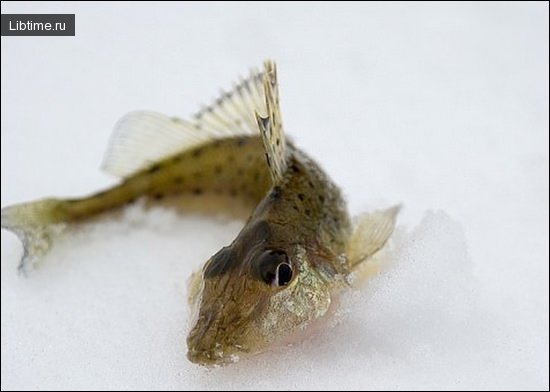
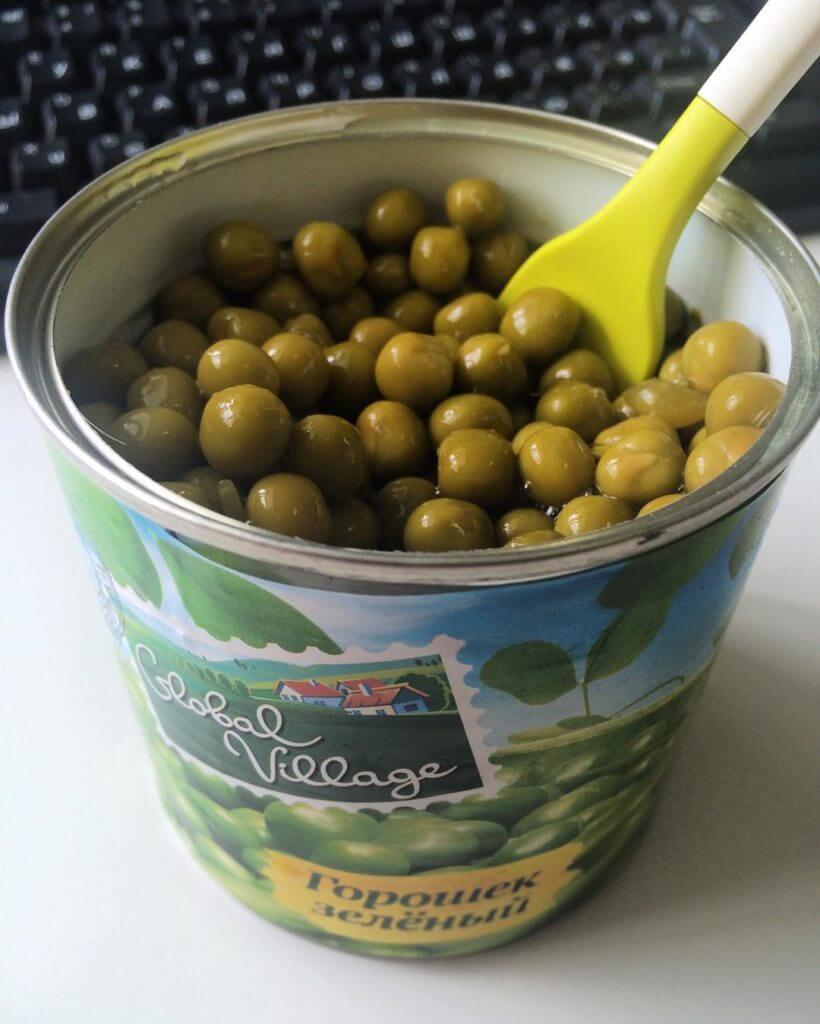
The best bite at night runs from about 22:00 to 23:00, and the action is especially strong after a hot day. Species that feed well at night include bream, clover, bluefish, roach, gouster, ruff, nasar, and pikeperch (taken on a cargo rod with live bait). Use baits the fish can find easily in the dark, such as peas and worms; other baits are less effective at night because they are harder for fish to locate.

Where should you place yourself relative to shadow and cover?
Choose a spot where your own shadow does not fall on the water, both in sunny daytime conditions and at night under a bright moon. A shadow moving across the water alerts fish and puts them off the bait.
During the day, pick a fishing position among bushes or near a tree. The natural cover breaks up your outline and shades the water, helping you stay unseen while the fish feed.
How do you choose and match hooks?
Remember that there are two categories of hook to keep separate: hooks for baiting (overbait hooks) and hooks for the rod itself. For any given size, the rod hook number is one smaller than the corresponding bait hook number, so check which type you are tying on before you fish.
Which baits should a recreational angler carry?
Carry several types of bait, because fish do not always take the same one on a given day. A well-prepared amateur angler keeps a selection on hand and switches when the bite slows.
Choose among these according to the species you intend to catch. It is also worth using the same type of bait for both feeding the swim and baiting the hook, so the fish you have drawn in keep taking what is already on your line.
How do you keep your catch fresh?
To keep fish alive on a fishing trip, use a flat-shaped cage that lets the fish swim in a circle inside it. The shape gives the fish room to move and stay healthy until you head home.
To keep dead fish fresh for up to 40 hours, bury them in cold, wet sand or soil, arranged so that the fish do not touch each other. When fishing is finished, place the fish in a container layered with wet grass, and never leave the container sitting in the sun while you travel.

These tips for the amateur angler build the practical skills that make a fishing trip pay off — quiet positioning, the right hooks and baits, fishing the productive hours, and proper handling all add up to returning with a good catch.