Vegetable Cultivation at Home: A Complete Guide for Garden Growers
 libre
libre
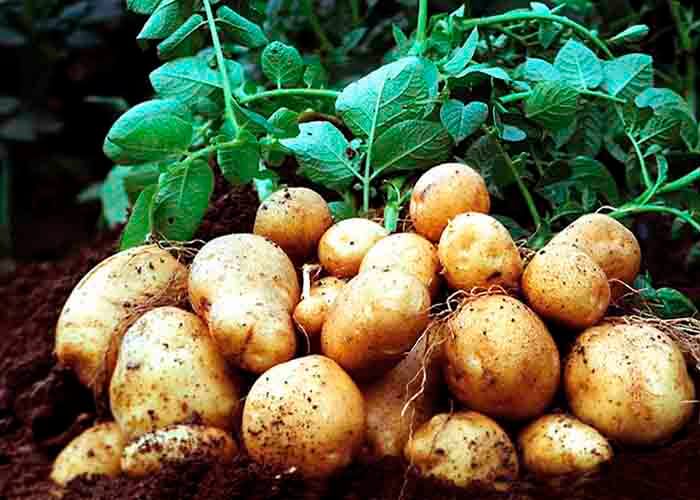
On home garden plots, the most commonly grown vegetables are tomatoes, cabbage, onions, cucumbers, carrots, beets, and potatoes, with watermelons dominating in southern regions. This is, frankly, a very limited range of crops, and broadening it is the key to harvesting fresh vegetables across the whole season rather than a few short weeks. 
Planning a productive garden comes down to three principles: grow a wider assortment of crops, rotate them properly so the soil is not exhausted, and use space efficiently through staggered sowing and interplanting. Each of these is explained in the sections below.
Which vegetable crops should you add to widen the assortment?
Widening the vegetable assortment means going beyond the standard staples and adding eggplants, peppers, pattypan squash, cauliflower, and savoy cabbage. A broader range fills the table with variety and spreads the harvest workload, but the real benefit comes from sowing crops at different times so the garden produces continuously rather than all at once.
Temperate climates allow a steady supply of fresh produce from early spring through late autumn when sowing is staggered across the months:
- First half of April — green Welsh onion (bunching onion) leaves.
- Second half of April — sorrel, asparagus, rhubarb, radish, spinach, lettuce, and parsley.
- May — cabbage and green peas.
- June — cucumbers, courgettes, legumes, bunch carrots, and beets.
Experienced gardeners grow 70–80 crops on a single plot, but there is a well-established minimum assortment to aim for. That minimum includes 25–30 plant names, chosen to build a "vegetable conveyor" that delivers produce from April through November.
How do you use garden space efficiently with interplanting?
Interplanting fits fast-growing crops between the rows of slower main crops so no ground sits idle. Cucumbers, tomatoes, courgettes, watermelons, and pumpkin can all be interplanted, with the filler crops placed between the rows of the main planting; radish and lettuce do well sown alongside carrots and beets.
Succession planting keeps beds productive after an early harvest is lifted. Once early cabbage and potatoes are cleared, the same ground can be sown with late cucumbers for autumn pickling, plus radish and lettuce — a repeat sowing that yields fresh greens right up to the first frosts. Before transplanting late cabbage seedlings, that spot can carry an early crop of radish, lettuce, and spinach.
Perennial vegetables are shade-tolerant, which makes them ideal for the awkward strips along walls and fences where sun-loving crops would struggle. Placing them there frees the open, sunlit beds for the crops that need full light.
Why must vegetable crops be rotated, and how?
Growing the same crop in the same spot for several years in a row is a mistake, because it badly depletes the soil, lets pests, diseases, and weeds build up, and sharply reduces yield. Crop rotation prevents this — each crop should ideally return to its original position only after three or four years.
A simple four-bed rotation makes this easy to follow. Divide the plot into four beds and arrange the vegetables like this in year one:
- Late potatoes
- Cabbage, onions
- Tomatoes, early potatoes
- Cucumbers, carrots, melons and gourds, legumes
In the second year, shift each group to the next bed:
- Cabbage, onions
- Tomatoes, early potatoes
- Cucumbers, carrots, beets, melons and gourds, legumes
- Late potatoes
In the third year, continue the same rotation order:
- Tomatoes, early potatoes
- Cucumbers, carrots, beets, melons and gourds, legumes
- Late potatoes
- Cabbage, onions
In the fourth year, hold the rotation in this final arrangement before the cycle begins again:
- Cucumbers, carrots, beets, melons and gourds, legumes
- Late potatoes
- Cabbage, onions
- Tomatoes, early potatoes
Perennial vegetables stand outside this cycle. Sorrel, asparagus, rhubarb, and Welsh onion should be given a separate plot, since the rotation followed for the main annual crops does not apply to them.
Can you grow vegetables in the alleys between fruit trees?
Vegetable crops and potatoes can be grown in the alleys of an orchard, and this works especially well in a young one. Success depends on how much light the rows receive, on the supply of nutrients and moisture, and on matching the crop to the conditions.
In a young, not-yet-bearing orchard, the alleys get plenty of sun, so tomatoes, eggplants, and melons thrive there. As the tree canopies spread and cast more shade, switch to shade-tolerant crops such as beets, onions, lettuce, and rhubarb. One important exception: never plant potatoes under the canopy of a walnut or apple tree, where they grow poorly.