Tillage Farming: How to Properly Prepare Garden Soil for High Vegetable Yields
 libre
libre
Zero tillage farming is a crop production method that grows plants without disturbing the soil through ploughing or digging, leaving crop residue on the surface and planting seeds directly into undisturbed ground. Also called no-till farming, this approach protects soil structure, conserves moisture, and prevents erosion — a sharp contrast to the intensive soil cultivation gardeners and farmers have practised for centuries. This guide explains how zero tillage works, why it matters, and how it compares with the traditional soil preparation many growers still rely on.
Zero Tillage Farming: Definition and Overview
Zero tillage farming, widely known as no-till farming, is a system in which crops are sown directly into the residue of the previous crop without mechanically turning or loosening the soil first. The undisturbed soil retains its natural structure, its network of channels created by roots and earthworms, and its protective layer of organic matter on the surface.
What Is Zero Tillage (No-Till) Farming?
No-till farming works by replacing the plough, rotary tiller, and harrow with specialised planting equipment that cuts a narrow slot through surface residue and places seed and fertiliser at the correct depth in a single pass. The soil between the rows is never inverted. Crop residue from the prior harvest stays on top as a mulch, decomposing slowly to feed soil organisms and shield the ground from sun, wind, and rain.
The core principles of zero tillage agriculture are simple: minimise soil disturbance, keep the soil covered with residue or living plants, and maintain diverse crop rotations. These three ideas form the foundation of Conservation Agriculture, the broader framework promoted by agronomists and organisations such as the U.S. Department of Agriculture (USDA) and its Natural Resources Conservation Service (NRCS).
Seed and fertiliser application in no-till systems relies on dedicated machinery. Zero tillage planters and no-till drills — including disc seed drills — open a thin furrow, deposit seed, and close it again without broadcasting soil aside. Direct seeding and surface seeding methods let growers establish a crop quickly after harvest, which is especially valuable in regions with short planting windows.
Zero Tillage vs Conventional Soil Cultivation
The fundamental difference between zero tillage and conventional tillage is soil disturbance: conventional tillage repeatedly turns the soil with implements like the mouldboard plough, while zero tillage leaves it intact. Conventional cultivation buries residue, breaks up weeds, and warms and aerates the seedbed — but it also exposes bare soil to erosion, accelerates the loss of soil organic carbon, and consumes large amounts of fuel and labour.
| Factor | Conventional tillage | Zero tillage (no-till) |
|---|---|---|
| Soil disturbance | Repeated, deep inversion | Minimal; seed slot only |
| Crop residue | Buried or removed | Retained on surface |
| Erosion risk | High on bare soil | Strongly reduced |
| Fuel and labour | High (multiple passes) | Low (single pass) |
| Soil moisture | Lost to evaporation | Conserved under mulch |
| Weed control | Mechanical + chemical | Mainly chemical/cover crops |
How Traditional Soil Preparation Works
Traditional soil preparation centres on digging or ploughing the soil to improve its water, air, and nutrient regime so vegetable crops form a high, good-quality yield. Carefully worked, well-structured soil warms up readily and gives seedlings a loose seedbed — and understanding this conventional routine makes clear both why it has endured and what zero tillage seeks to replace.

Autumn Soil Tillage
Autumn soil tillage in the vegetable garden should begin immediately after the harvest is cleared. Early-dug soil has more opportunity to accumulate moisture and nutrients during the warm autumn period than soil worked late in the season.
The first step is to remove all residue from the previous crop. Dry residue and weeds can be burned and the ash scattered across the plot before digging, while damp stalks and tops are better added to a compost heap. This handling of residue is precisely the practice that zero tillage reverses — keeping that material on the surface rather than removing or burning it.
Soil Fertilization
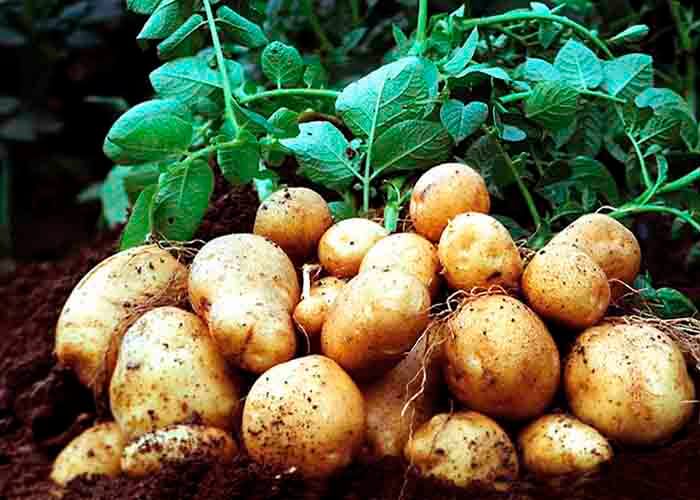
Soil should be dug to a depth of 25–27 cm, and fertiliser is best applied beforehand. A typical autumn application adds 3–4 kg of humus per square metre along with 80 g of superphosphate and 20 g of potassium salt. Early potatoes, early cabbage seedlings, onions, and carrots respond especially well to these nutrients.
Cucumbers need a lighter hand: the autumn superphosphate rate should drop to 40 g/m² because cucumbers tolerate a concentrated soil solution poorly. Health authorities also prohibit applying ammonium nitrate under cucumbers and melon crops; feeding them with carbamide (urea) or ammonium sulphate instead is the safest option.
Dug soil is left in ridges without breaking it down. In this state it absorbs water better, and its uneven surface holds snow well. If the plot is new and turfed, it should be dug over with the layer turned downward, the coarse part broken up and placed in the lower layer; in spring the plot is dug again, but to a shallower depth.
Snow Retention
Snow retention over winter is a worthwhile step in traditional management. Piles of brushwood or any similar material are usually laid out to trap drifting snow, banking extra moisture in the soil before spring.
Spring Soil Tillage
In early spring the plot should be harrowed or loosened with an iron rake as soon as the soil dries enough that it no longer smears. Delaying this step costs a great deal of moisture, so timing the work correctly is essential before the main digging.
Determining the Right Time to Dig
The readiness of the soil for digging can be judged with a simple field test: take a handful of earth from a depth of 8–10 cm, squeeze it into a ball, and drop it from chest height. If the ball breaks apart evenly, the soil is ready to dig. If it falls without breaking, it is still too early; if it crumbles to dust, it is already too late — and late digging risks sparse, uneven emergence, especially for small-seeded and slow-growing crops.
Fertiliser is applied before digging in spring. To the autumn dressing, add 20–25 g of superphosphate, 5–10 g of potassium salt, and 35–40 g of ammonium nitrate per square metre. A gardener without these specific products can substitute others while keeping the recommended doses of nutrients.
Building and Managing Garden Beds
Raised garden beds should be built only on damp, low sites where groundwater sits close to the surface. A practical bed is 1–1.5 m wide and 20–25 cm high; snow melts off such beds sooner and they warm up faster, letting a gardener start work 10–15 days earlier than on flat ground. Their main drawback is greater evaporation of soil moisture — a useful reminder that any practice exposing more soil surface trades moisture away, which is exactly the loss no-till systems are designed to avoid.
Most soil types and varieties are suitable for growing vegetables, potatoes, and melon crops, but some plots need help to raise their fertility. The most effective measure is applying 8–10 kg of humus per square metre, and the soil should be loosened after every rain or watering to prevent crusting.
Conservation Agriculture Principles
Conservation Agriculture rests on three linked principles that zero tillage puts into practice: minimal soil disturbance, permanent soil cover through crop residue or cover crops, and diversified crop rotations. Together these sustain soil structure, feed soil life, and break pest and weed cycles — goals that intensive cultivation works against. Sustainable agriculture and regenerative farming both build on this same foundation.
Alternative Conservation Tillage Methods
Conservation tillage describes a family of reduced-disturbance methods that sit between full ploughing and true zero tillage, each leaving at least 30% of the soil covered by residue. The main alternatives are:
- Strip tillage — only narrow strips where seeds will go are tilled, leaving the inter-row soil and residue undisturbed.
- Ridge tillage — crops are planted on permanent raised ridges that are rebuilt each year without inverting the whole field.
- Mulch tillage — the soil is loosened but residue is deliberately mixed near the surface as a protective mulch.
- Reduced or minimum tillage — fewer and shallower passes than conventional cultivation, lowering disturbance and fuel use.
Implements such as the subsoiler can relieve deep compaction with minimal surface disturbance, and disc-based tools like the Kelly Disc Chain from Kelly Tillage — available as the CL1 Disc Chain, CL2 Disc Chain, and Spiked Disc Chain configurations — manage residue and shallow weeds without the deep inversion of a mouldboard plough or rotary tiller.
Conventional vs Organic No-Till Methods
No-till farming divides into conventional and organic approaches that differ mainly in how they suppress weeds. Conventional no-till relies on herbicides to control weeds before and after planting, since there is no mechanical cultivation to uproot them. Organic no-till avoids synthetic herbicides and instead terminates dense cover crops — often by rolling and crimping them into a thick mulch that smothers weeds — combined with carefully planned crop rotation. Organic no-till is more knowledge-intensive but eliminates the chemical herbicide dependency that critics raise against the conventional version.
Benefits of Zero Tillage Farming
The benefits of zero tillage farming span soil health, water, climate, and farm economics, which is why adoption has grown across the United States, Australia, India, and beyond. Leaving soil undisturbed under a residue cover produces advantages that compound over years.
Soil Erosion Prevention
Soil erosion prevention is the headline benefit of zero tillage, because residue left on the surface absorbs the impact of raindrops and slows runoff that would otherwise carve gullies and strip topsoil. Bare, freshly tilled soil is the most erodible state a field can be in; an undisturbed, residue-covered surface keeps precious topsoil and its nutrients in place. The same protection guards against wind erosion, the force that turned ploughed land to dust in the 1930s.
Soil Health and Moisture Retention
Zero tillage improves soil health by leaving the soil's structure, pore network, and biological community intact rather than shattering them with each pass of an implement. Undisturbed soil retains continuous channels that improve water infiltration and root growth, and the surface residue acts as a mulch that conserves soil moisture by reducing evaporation — the very moisture loss that raised garden beds and repeated tillage tend to accelerate. This mulch layer also regulates soil temperature, buffering roots against extremes, though it can delay spring warming in cool climates.
Beneath the surface, no-till preserves soil microbial biomass and the invertebrates — earthworms, beetles, fungi — that drive nutrient cycling. Microorganism preservation keeps organic matter decomposing steadily and nutrients available, so soil fertility builds rather than degrades. Over time, residue retention raises soil organic carbon and improves the soil's capacity to hold both water and nutrients.
Biodiversity and Habitat Preservation
Zero tillage preserves biodiversity by leaving habitat intact for the organisms that live in and on the soil. Earthworms, ground beetles, soil fungi, and the microbes of the soil microbiome all benefit when their environment is not annually overturned. Surface residue and undisturbed ground provide food and shelter for beneficial insects and ground-nesting wildlife, supporting a more resilient field ecosystem than bare, ploughed land can.
Carbon Sequestration and Climate Change Mitigation
No-till farming sequesters carbon by keeping organic matter in the soil instead of releasing it through repeated tillage, which is why it features in climate-change mitigation strategies. Every ploughing event exposes buried organic matter to oxygen and accelerates its breakdown into carbon dioxide; leaving soil undisturbed allows soil organic carbon to accumulate. Combined with lower fuel use, this reduces a farm's greenhouse gas emissions and helps turn cropland into a modest carbon sink.
Climate Change Resilience in Agriculture
Zero tillage builds climate resilience by improving water retention and drought tolerance, so crops withstand erratic rainfall better. Soil that infiltrates and stores more water carries crops further through dry spells, while the protective residue buffers temperature swings. In monsoon-driven systems such as India's Indo-Gangetic plain, direct seeding into residue helps farmers plant the next crop quickly and manage variable rains, strengthening food security against a changing climate.
Economic Benefits for Farmers
The economic case for zero tillage rests on lower fuel, labour, and machinery costs, since eliminating ploughing, harrowing, and secondary cultivation removes multiple field passes. Fewer passes mean dramatically reduced fuel consumption and improved fossil fuel efficiency, while the time and labour saved free farmers for other work or larger areas. Key savings include:
- Fuel — a single planting pass instead of several tillage operations cuts diesel use sharply.
- Labour and time — fewer operations shorten the work calendar and reduce operator hours.
- Machinery wear — less equipment running means lower maintenance and longer machine life.
- Soil capital — retained topsoil and rising organic matter sustain yields without escalating input costs.
Initial investment is the main financial hurdle: specialised no-till planters, drills, and disc tools represent an upfront cost, and yields can dip during the transition years before soil health rebuilds. In the United States, programmes such as SARE Grants and NRCS conservation support help offset these early costs, improving the long-term return on operational efficiency gains.
Crop Residue and Cover Crop Management
Crop residue management is central to zero tillage, because the residue left on the surface is what protects the soil, conserves moisture, and feeds soil life. Rather than burning residue — a practice that pollutes the air and wastes organic matter — no-till systems leave straw and stubble in place to decompose slowly. Even spreading of residue at harvest matters, since thick clumps can interfere with seed placement and slow soil warming. Field mulching with this residue is the practical mechanism behind much of no-till's moisture and temperature benefit.
Crop Rotation and Cover Cropping
Crop rotation and cover cropping make zero tillage work over the long term by breaking pest and weed cycles and adding living roots and biomass between cash crops. Rotating cereals with legumes or oilseeds disrupts disease build-up and varies the nutrient demand on the soil. Cover crops grown in the off-season hold the soil, suppress weeds, and add organic matter; double cropping and careful crop sequencing let growers in suitable climates harvest two crops a year while keeping the ground continuously covered. Diverse rotations are what distinguish a durable no-till system from one that simply stops ploughing.
Weed and Pest Management in No-Till Systems
Weed management is the biggest agronomic challenge in no-till systems, because the mechanical weed control provided by ploughing is gone. Without tillage to bury and uproot weeds, growers lean on a combination of cover-crop competition, dense surface mulch that blocks germination, planned rotations, and targeted herbicide use. Pest and disease pressure can shift too: retained residue may shelter some pests and pathogens, so monitoring and diverse rotations become important defences in zero tillage agriculture.
Chemical Herbicide Dependency
Conventional no-till's reliance on herbicides for weed control is its most criticised aspect, raising concerns about chemical dependency and herbicide resistance. Because tillage no longer kills weeds mechanically, conventional no-till fields often need herbicides to keep weeds in check, which can drive up costs and select for resistant weeds over time. Organic no-till answers this with cover-crop mulches, roller-crimping, and rotation rather than chemicals, while integrated weed management aims to keep herbicide use moderate and varied to slow resistance.
Precision Agriculture and Field Monitoring for No-Till
Precision agriculture supports zero tillage by giving farmers the data to place inputs accurately and monitor crops without disturbing the soil. GPS guidance keeps planters on consistent lines, GIS maps field variability, and remote sensing and drones reveal crop stress, weed patches, and moisture differences from above. Tools such as EOSDA Crop Monitoring use satellite imagery and vegetation indices like NDVI to track crop health, soil moisture, and weather, helping no-till growers decide when to plant, scout, or irrigate. These soil-health monitoring and decision-support systems make managing residue-covered, undisturbed fields far more precise.
Challenges and Limitations of Zero Tillage
Zero tillage carries real challenges alongside its benefits, and adoption requires managing each one. The main limitations are:
- Initial investment — specialised zero tillage machines, no-till drills, and planters cost more upfront.
- Learning curve — no-till is knowledge-intensive, and the shift demands new skills, training, and patience through transition years.
- Herbicide reliance — conventional no-till often depends on chemicals for weed control.
- Slower spring warming — residue cover keeps soil cooler, delaying germination in cold regions.
- Crop-specific limits — some crops and heavy, poorly drained soils respond less well to no-till.
- Cultural barriers — long-standing habits and the visible "tidiness" of ploughed fields slow adoption.
Transition strategies that ease these hurdles include starting on a portion of the farm, choosing well-suited crops first, investing in operator training to close knowledge gaps, and using research and extension support. Field trials in Nigeria's Sahel region and elsewhere have tested no-till effectiveness under challenging conditions, and adoption has spread through the United States — notably the Pacific Northwest states of Oregon, Washington, and Idaho around The Dalles — as well as Australia, where Kelly Tillage equipment is widely used, and across India's Indo-Gangetic plain. USDA Census of Agriculture data and the USDA Northwest Climate Hub track this growing adoption.
Lessons from the Dust Bowl Disaster
The Dust Bowl of the 1930s is the historical lesson that drove the development of no-till farming, showing what happens when the Great Plains' bare, over-ploughed soil meets drought and wind. Decades of intensive tillage stripped the protective native cover, and when severe drought struck, the exposed topsoil simply blew away in vast dust storms that devastated farms across the American Great Plains. The catastrophe spurred the creation of soil conservation institutions and reshaped agricultural thinking in the United States.
Tillage itself has a long history — from the 17th-century iron plough through the mouldboard plough to the mechanised cultivation of the 20th century — and even the Green Revolution led by Norman Borlaug raised yields partly through intensive methods. The Dust Bowl, however, exposed the cost of treating soil as inert, and the response laid the groundwork for conservation tillage and, eventually, the zero tillage and regenerative farming systems that keep soil covered and alive today. For more on the agronomy behind these practices, explore our Agronomy section.