Pumpkin Cultivation: Practices, Plant Stages, and How to Grow High Yields
 libre
libre
Pumpkins are grown alongside other vegetable crops and hold a place of honour among the vegetables of Ukraine. This guide covers everything needed to grow pumpkins successfully: how to classify them botanically, which varieties to choose, the climate, soil, water and feeding they need, how to manage pollination, pests and diseases, how to grow giant competition specimens, and how to harvest, cure, store and cook the crop.

Pumpkin Cultivation: A Complete Growing Guide
Pumpkins are warm-season annual vines grown for edible fruit, seeds and ornamental use, and they are among the most rewarding crops for a home garden or smallholding. A single plant produces stems 3–4 metres long and a powerful root system that reaches up to 1 metre into the soil. Pollination is carried out by insects, and the period from emergence to harvest is about 100–110 days, which makes it possible to grow pumpkins in the open ground across most temperate regions.
Getting started with pumpkins requires only a sunny, sheltered spot, fertile soil and roughly four months of frost-free weather. Because the vines sprawl, even a few plants supply a household: four or five plants placed in a warm position are enough to produce seed and fruit for a family. The sections below build from botany and variety choice up to advanced techniques such as cultivating giant pumpkins.
Botanical Classification of Pumpkins
The pumpkin belongs to the family Cucurbitaceae and the genus Cucurbita, the same group that includes squash, gourds and marrows. "Pumpkin" is not a precise botanical term but a common name applied to round, ribbed, orange-fruited cultivars across several Cucurbita species. This is why the line between a pumpkin and a squash is cultural rather than scientific.
Cucurbita Species and Related Plants
Four cultivated Cucurbita species supply almost all pumpkins, squash and winter squash grown worldwide, and knowing which species a variety belongs to explains its size, flavour and storage behaviour.
- Cucurbita pepo — the species behind most carving and field pumpkins such as Howden's Field pumpkin, the Small Sugar pumpkin and miniature Jack-Be-Little (also styled Jack Be Little), along with many gourds.
- Cucurbita maxima — the species of the largest fruit, including Atlantic Giant and Dill's Atlantic Giant, the cultivars used for record-breaking giants.
- Cucurbita moschata — warm-climate, disease-tolerant types including Butternut squash; C. moschata flesh is favoured for canned pumpkin and pies.
- Cucurbita argyrosperma — the cushaw group, such as the Green-Striped Cushaw, grown in warmer parts of the Americas.
Squash and winter squash are simply other members of these same species; the C. maxima, C. moschata, C. pepo and Cucurbita argyrosperma labels matter most to growers when they affect maturity time and keeping quality.
Etymology and Terminology
The word "pumpkin" descends through French and Latin from the Greek "pepon", meaning a large melon ripened by the sun, which explains the closeness of the term to "Cucurbita pepo". Because pumpkin and squash overlap so heavily, the pumpkin-versus-squash distinction comes down to use and shape rather than genetics: rounder, ribbed, orange fruit tend to be called pumpkins, while elongated or oddly shaped fruit of the very same species are called squash.
Nutritional Value and Health Benefits
Pumpkin is a nutrient-dense, low-calorie food rich in vitamins and carotenoids, which is why it features in both everyday cooking and traditional remedies. The flesh contains up to 10–13% sugar and 15–16% starch, and is notably high in vitamins, especially carotene (provitamin A). The benefits of pumpkin extend across the whole plant, and it is widely used in both folk and scientific medicine.
Every part of the pumpkin has a use beyond the flesh. The seeds are edible roasted and are pressed for pumpkin seed oil, the flowers can be cooked, and the cooked flesh keeps well for up to half a year after harvest. This combination of nutrition and storability is a large part of the pumpkin's long history as a staple.
Pumpkin Varieties
Pumpkin varieties range from miniature ornamentals a few centimetres across to giants weighing hundreds of kilograms, and choosing the right cultivar is the single most important decision for a grower. Variety determines fruit size, flavour, maturity time, disease resistance and how much space the plant needs.
Volzhskaya 92 and Mozoleevskaya 49
Volzhskaya 92 and Mozoleevskaya 49 are two widely grown cultivars suited to open-ground cultivation. Volzhskaya 92 is large-fruited, up to 5 kg, with slightly flattened fruit on a faint grey background without markings; the flesh is of medium thickness, the rind soft and thin, and the seeds white. It serves as both a table and a fodder variety.
Mozoleevskaya 49 produces long vines and egg-shaped fruit with a light-green skin and a dark pattern. Its flesh is dense, sweet and orange, and it stores well, making it a good choice where the crop must keep through winter.
Disease-Resistant Varieties
Disease-resistant pumpkin varieties reduce the need for spraying and are the easiest route to a healthy crop, especially where powdery mildew is common. Many modern cultivars carry tolerance to Podosphaera xanthii (powdery mildew) and to downy mildew caused by Pseudoperonospora cubensis. Cucurbita moschata types such as Butternut and several cushaws tend to be naturally more tolerant of fungal disease than thin-skinned C. pepo carving pumpkins.
Choosing Varieties for Available Space
Match the variety to the space you have, because a full-size vine can run 3–4 metres while compact and bush types stay close to the plant. Use the following as a guide:
- Small gardens and containers — miniature cultivars like Jack-Be-Little and bush-habit types.
- Pie and table use — Small Sugar pumpkin and Butternut squash, compact and sweet-fleshed.
- Carving and display — Howden's Field pumpkin and similar C. pepo cultivars.
- Competition giants — Atlantic Giant and Dill's Atlantic Giant, which demand maximum space and feeding.
Growing Conditions and Requirements
Pumpkins demand warmth, full sun, fertile soil and steady moisture, and their requirements for growing conditions are high. Meeting these four needs is what separates a thriving patch from a stunted one.
Climatic Requirements and Temperature
The optimum temperature for pumpkin growth and development is 25–30°C, and growth halts at 8–10°C. Frost kills the plants outright, so they must be sown or transplanted only after the danger of frost has passed and grown through a frost-free season of about 100–110 days. In tropical highlands such as Sri Lanka, pumpkins are grown across a range of elevation zones during the Maha and Yala seasons, while in temperate regions like the Northeastern United States the crop fits a single summer window.
Soil and Light Requirements
Pumpkins need full sun and rich, well-structured soil, so the best site is on the south side of buildings where it is warmer and brightest. Just four or five plants in such a spot are enough to supply seed for a household, provided the soil there is fertile and well-structured. A slightly acidic to neutral pH and good drainage are important, because waterlogged ground encourages root rot; raised mounds or hills improve drainage and warm the soil earlier in spring.
Watering and Irrigation Needs
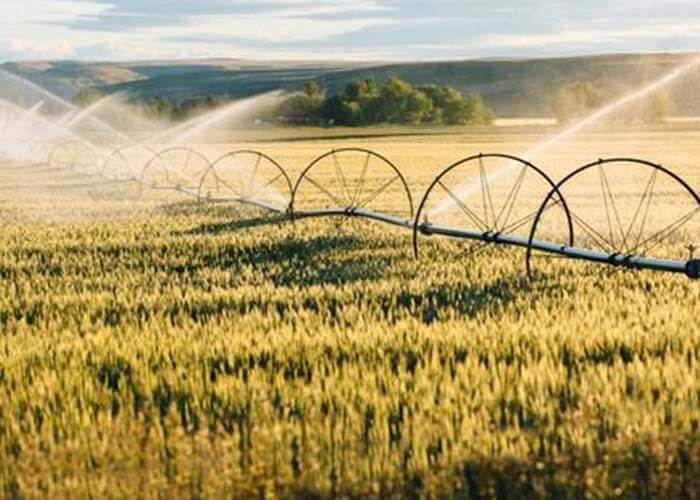
Despite their strong roots, pumpkins need regular watering because the huge canopy of leaves transpires a large volume of water. During active growth, water every 7–10 days, and more often in hot, dry spells, aiming to keep moisture steady and deep rather than frequent and shallow. Water at the base in the morning to keep foliage dry and discourage fungal disease, and mulch around the plants to conserve soil moisture and suppress weeds.
Agronomic Techniques for Pumpkin Growing
Successful pumpkin growing combines correct sowing time, generous spacing, and ongoing care of the vines. The agronomic routine consists of loosening the soil, weeding, watering, feeding, positioning the vines and managing pests and diseases.
Planting and Spacing
Sow pumpkin seed only once the soil has warmed and frost has passed; in cool-temperate regions, sowing earlier than the second five-day period of May is risky, as a return of cold weather kills the plants. Place seeds in hills (the mound planting method) spaced about 1.5 metres apart, into moist soil, at a depth of 4–6 cm, using roughly 3–4 g of seed per square metre. Pre-sprouting the seed before sowing helps it emerge faster and suffer less pest damage.
In cold weather, cover the plants overnight with any available material — sacks topped with mats, matting or paper work best. Where the season is short, seed can be started indoors and the seedlings hardened off gradually before transplanting once the weather is reliably warm.
Container and Growing Bag Cultivation
Compact pumpkin varieties can be grown in large containers or growing bags where ground space is limited. Use a container of at least 40–50 litres for one bush-type plant, fill it with rich, free-draining compost, and water more frequently than ground-grown plants because containers dry out fast. Stick to small-fruited cultivars such as Jack-Be-Little for containers; full-size and giant types need open ground.
Pollination
Pumpkins depend on insects to move pollen from male to female flowers, and poor pollination is a common cause of fruit that sets and then rots. Each plant bears separate male and female flowers, with males appearing first and females recognisable by the tiny immature fruit at their base. Honey bees and the specialist squash bee Peponapis pruinosa are the main pollinators; where bees are scarce, hand-pollination with a brush ensures fruit set.
Companion Planting for Pollinators
Planting bee-friendly flowers near the pumpkin patch draws in the pollinators that fruit set depends on. Open, nectar-rich flowers sown around the bed attract honey bees and native squash bees, and avoiding insecticide sprays during flowering hours protects them. Strong pollinator activity directly raises the number and size of fruit that set.
Cross-Pollination Between Pumpkins, Squash and Gourds
Pumpkins, squash and gourds cross-pollinate only within the same Cucurbita species, which matters when you intend to save seed. Varieties within C. pepo, for example, will cross with one another, so seed saved from a carving pumpkin grown beside a courgette may not come true. Cross-pollination does not change the current season's fruit — only the seed inside it — so eating-quality is unaffected, but for pure seed you must isolate or hand-pollinate.
Fertilization and Nutrient Requirements
Pumpkins are heavy feeders and respond strongly to generous, well-timed fertilisation. Given their high demand for nutrients, work manure into the soil in autumn at 8–10 kg per square metre under digging. At spring digging, add 60–70 g of superphosphate and 20–30 g of potassium salt per square metre, and it is helpful to add wood ash at a rate of about two cups per 3 square metres. A soil test before planting helps target these amounts to what the ground actually lacks.
Fertilizer Application Schedules
Feed pumpkins in stages through the season rather than all at once, combining liquid organic feeds with mineral top-dressings. For a liquid feed, dilute 1.5–2 litres of manure slurry or fresh cow manure in a bucket of water and apply it to five or six plants. Follow with a mineral top-dressing of about 20–25 g of ammonium nitrate, 40–45 g of superphosphate and 20–30 g of potassium salt. Ease off nitrogen once fruit begins to swell so the plant directs energy into fruit rather than leaf.
Pest and Disease Management
An integrated pest management approach — combining resistant varieties, garden hygiene, monitoring and targeted treatment — keeps pumpkin pests and diseases in check with the least spraying. Identifying problems early is the key, because both insect pests and fungal diseases spread quickly across the dense canopy.
Cucumber Beetle and Squash Bug Control
Cucumber beetles, squash bugs and the squash vine borer are the most damaging insect pests of pumpkins, and each calls for a slightly different response.
- Cucumber beetles chew leaves and flowers and spread bacterial wilt; control them with row covers over young plants and prompt removal of adults.
- Squash bugs suck sap and wilt the vines; crush their bronze egg clusters on leaf undersides and clear plant debris where they overwinter.
- Squash vine borer (also seen as Squash Vine Borers) tunnels into stems, causing sudden collapse; mound soil over the vines so they root at the nodes and survive an attack.
Bacterial and Fungal Disease Prevention
Most pumpkin diseases are prevented far more easily than they are cured, so prevention through hygiene, airflow and resistant varieties comes first. With cooler, damp autumn weather the plants are prone to powdery mildew; dusting affected plants with sulphur checks it, and a preventive fungicide programme started before symptoms appear gives the best control of powdery mildew (Podosphaera xanthii) and downy mildew (Pseudoperonospora cubensis). Bacterial wilt, caused by Ralstonia solanacearum and spread by cucumber beetles, has no cure once established, so controlling the beetles is the real defence. Viral diseases transmitted by the whitefly Bemicia tabaci cause mottling and distorted leaves and are managed by controlling the insect vector and removing infected plants, while phytoplasma disorders are likewise tackled by managing the sap-feeding insects that carry them.
Cultivating Giant Pumpkins
Growing a giant pumpkin means concentrating the whole plant's energy into a single fruit, and competition specimens can exceed 100 kg. Growers in Canada exhibit examples weighing up to 100 kg at competitions, all grown from C. maxima giant strains such as Atlantic Giant and Dill's Atlantic Giant. To grow a jumbo pumpkin over 100 pounds, follow these principles:
- Start with a proven giant cultivar such as Atlantic Giant.
- Leave only one or two fruit (set fruit) on the whole plant and remove the rest.
- Pinch out the main stem and shoot tips once five or six fruit 8–12 cm across have formed, and cut away side shoots, so growth flows into the chosen fruit.
- Slip an isolating material such as plywood or straw under the developing fruit to keep it off the soil and prevent rot.
- Feed and water heavily and consistently through the swelling period.

Harvesting, Curing and Storage
Harvest pumpkins when they are fully coloured, the rind is hard, and the stem has begun to dry, which marks ripeness. Cut the fruit with a long piece of stem attached, handle it without bruising, and bring the crop in before the first hard frost. In strong winds, set any vines that have been flipped over back into place so the fruit continues to develop evenly.
Expected Yields and Production
Yields depend heavily on variety, with table types giving a steady crop and giants producing a single huge fruit. Pumpkins are a major commercial crop: the United States pumpkin industry centres on Illinois, and the town of Morton, Illinois, styles itself the pumpkin capital, supplying processors that produce most of the country's canned pumpkin. Globally, China and India are among the largest producers, and the crop also supports a thriving seasonal economy of pick-your-own farms and roadside stands.
Curing and Storage Procedures
Cure harvested pumpkins in warmth for about a week to toughen the skin, then store them cool and dry for long keeping. Hold cured fruit in a dry, well-ventilated place at around 10–15°C; under these conditions sound pumpkins keep well for up to half a year after harvest. Storing fruit off the floor and not touching one another reduces rot, and inspecting the store regularly lets you use any softening fruit first.
Culinary Uses and Preparation Methods
Pumpkin is eaten cooked in a wide range of ways and is rarely used raw, which makes it one of the most versatile vegetables in the kitchen. The flesh is boiled, fried, salted, baked, pickled and used as a seasoning, and it forms the base of soups, pies, purées and preserves. Beyond the flesh, the roasted seeds are a popular snack and the source of pumpkin seed oil, so very little of the plant is wasted.
The pumpkin also carries deep cultural meaning, especially in autumn festivals. Carved into a jack-o'-lantern, it is the central symbol of Halloween, a custom rooted in the folk tale of Stingy Jack, while pumpkin pie is a fixture of Thanksgiving tables in the United States and Canada. These traditions, alongside its food value, are why the pumpkin remains one of the most recognisable crops in the garden. For more practical growing guides, browse our Agronomy section.