Phytophthora Root Rot Treatment: Symptoms and How to Protect Your Crops
 libre
libre
Late blight is the disease that most severely affects tomatoes and potatoes among vegetable crops, and it hits both hardest in wet seasons. The infection spreads quickly, moving from potato plantings onto nearby tomatoes, and without timely treatment it can destroy an entire harvest.

How do you recognise late blight on tomatoes and potatoes?
Late blight first shows as brown spots on the leaves, which then appear on the fruit as well. The leaves begin to blacken and dry out, while the fruit softens and rots. Because the fungus often travels from potatoes to tomatoes, an outbreak in one crop is an early warning to inspect the other. The disease is caused by the water mould Phytophthora infestans, the same pathogen responsible for the 19th-century Irish potato famine, and it thrives where humidity is high and foliage stays wet.
What are the main measures against late blight?
Crop rotation is one of the most important defences against late blight. Tomatoes and potatoes should be alternated from year to year and never planted one after the other in the same bed, since the pathogen carries over in plant debris and soil. Where rotation is no longer possible, the plantings need close monitoring so the first spray can be applied at the right moment.
Preventive spraying matters most during long spells of damp weather. Tomato seedlings should also be sprayed about five to six days before they are transplanted into open ground, giving young plants protection before they are exposed. The key practical steps are:
- Rotate tomatoes and potatoes year to year; avoid planting them in succession.
- Monitor plantings closely in prolonged wet weather.
- Spray tomato seedlings 5–6 days before transplanting outdoors.
- Begin treatment early rather than waiting for visible damage.
How should you spray against late blight?
Spraying is carried out with zineb at a dose of 40 g per 10 litres of water. Depending on how badly the plants are affected, the treatment is repeated every 7–10 days, timed so that the last application finishes 20 days before the produce is picked. Copper oxychloride and homecin (cuprozan) can be used as alternatives at the same dosage. Always observe the 20-day pre-harvest interval so no residue remains on the fruit you eat.
Alongside these modern methods, a few older but still effective practices are worth remembering, particularly for gardeners who prefer a low-input routine. Consistent timing and thorough coverage of the foliage matter more than the specific product chosen.
How do you protect potatoes specifically?
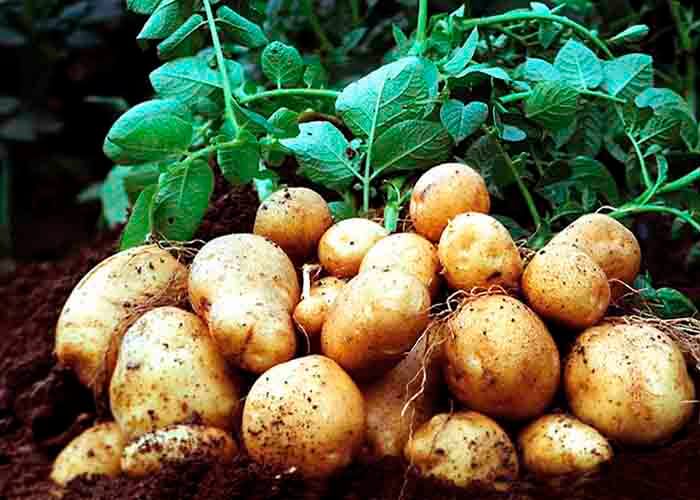
Potatoes need to be sprayed just as often as tomatoes once the disease appears. Beyond spraying, additional earthing-up helps by making it harder for the fungal spores to reach the tubers underground. The sequence for protecting a potato crop is:
- Spray the plants as soon as symptoms show, repeating every 7–10 days.
- Earth up the rows to shield the tubers from spores washing down through the soil.
- Remove the affected haulm from the plot 4–5 days before harvest.
- Lift the potatoes and put them into storage in dry weather only.
Harvesting and storing in dry conditions is essential, because tubers lifted in wet weather carry surface moisture that lets the rot continue in storage. Removing the diseased foliage in advance also cuts the spore load the tubers are exposed to as they are dug.
Is treating late blight worth the effort?
Treating late blight is a demanding, labour-intensive job that rewards persistence: only attentive, hard-working gardeners tend to keep it under control. The disease never disappears entirely once it is in an area, so the realistic goal is to suppress it each season through rotation, well-timed spraying, earthing-up, and a dry harvest. Tomato seedlings should also be sprayed about five to six days before they are transplanted into open ground. You can grow strong tomato seedlings as the foundation of a healthier, more resistant crop.