Natural Pest Control for Your Garden: Folk Methods and Plant-Based Remedies
 libre
libre
На приусадебных участках можно пользоваться не химическими методами борьбы с вредителями, применяя народные методы. 
Растения в борьбе с вредителями
Приведем описание растений и рецепты борьбы с вредителями. Однако при изготовлении настоев, отваров и порошков руками нельзя касаться лица, глаз. Остатки отваров закопать в землю. Предлагаем некоторые рецепты:
- Настой лопуха,
- Настой картофельной ботвы,
- Отвар помидорной ботвы,
- Отвар ботвы черного паслена,
- Отвар горького перца,
- Настой чеснока,
- Известь и табачная пыль,
- Ноготки и цикорий,
- Настой лука,
- Настой тысячелистника,
- Отвар полыни,
- Раствор горчицы,
- Кориандр и клещевина,
- Настой сена и соломы,
Настой лопуха
Листья лопуха мелко измельчают, накладывают до одной трети ведра, заливают до верха водой. Полученную массу настоять в течение 3 дней, затем процедить через марлю. Используется лопух против гусениц капустной белянки и совки. Опрыскивание ведется 3-4 раза через 6-8 дней. Капуста будет спасена.
Настой картофельной ботвы
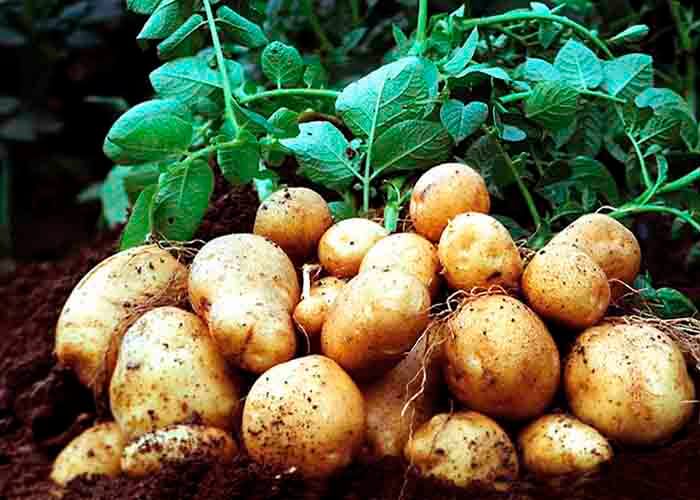
Выращивая картофель, получаем пользу и от ботвы. 1,2кг не пораженной свежей или 800г. сухой ботвы картофеля измельчить, залить 10л воды и дать настояться 3-4 часа. После процеживают и опрыскивают любые бахчевые и овощные культуры против паутинных клещей и тлей, которые спустя 3-4 часа погибают. Если увеличить количество картофельной ботвы в настое, тогда он будет эффективным и против листогрызущих вредителей.
Отвар помидорной ботвы
400г. нарезанной кусками помидорной ботвы залить 10л воды, варить на небольшом огне 30 минут, после отстаивания процедить. Перед использованием на 10л воды добавить 3л отвара и 40г. мыла. Применяется против гусениц и тлей.
Отвар ботвы черного паслена
Отвар из ботвы черного паслена готовят так же, как и из помидорной ботвы. Используется он против личинок различных вредителей и гусениц. Против молодых возрастов эффективность будет повышена.
Отвар горького перца
1кг. разрезанных свежих или 500г. сухих стручков горького перца кипятят 1 час в 10л воды в эмалированной посуде, закрытой крышкой, двое суток настаивают. Затем перец растереть, отжать и процедить. Полученный отвар хранят в закупоренных бутылках в темном месте. Для опрыскивания против гусениц, слизней и тлей готовят раствор в следующем составе: к 10л воды добавляют 100г. концентрата и 40г. мыла.
Настой чеснока
50г. чеснока пропустить через мясорубку. Развести в 10л воды. В течение суток настаивается, затем процеживается. Настой чеснока используется против фитофторы на картофеле и помидорах, клещей и тлей на огурцах и капусте. Опрыскивание повторяют через 10-12 дней.
Известь и табачная пыль
Известью и табачной пылью посыпается почва вдоль рядков лука и чеснока против луковой мухи. Расход 1-2кг на 100м2. Повторение через 7-8 дней. Можно также использовать и древесную золу.
Ноготки и цикорий
Цикорий и ноготки (календула) выделяют фитонциды, которые подавляют нематод лука, чеснока, а также отпугивают вредных насекомых. Эти растения высаживают среди грядок лука и чеснока.
Настой лука
200г. чешуи лука на 10л горячей воды, настаивается сутки. Настой лука эффективен против тлей и клещей.
Настой тысячелистника
800г. высушенных растений тысячелистника измельчить и запарить в кипятке 30 минут. Доливают затем 10л. и настаивают 2 суток. Этим настоем опрыскивают против тлей и клещей.
Отвар полыни
1кг. полыни кипятят 10 минут и добавляют воды до 10л. В этот состав добавляют настой куриного помета. Используется против листогрызущих вредителей капусты.
Раствор горчицы
В 10л воды растворяют 100г. порошка горчицы и опрыскивают против гусениц и тлей. Сухим порошком опыливают при сухой погоде против слизней. Против них можно посыпать почву с нормой расхода 100г. на 1 м2.
Кориандр и клещевина
Кориандр и клещевина издают сильные запахи. Первый из них отпугивает мышей, второй - мух, в том числе и дынную муху.
Настой сена и соломы
Настой из прелого сена, соломы и коровяка применяют против мучнистой росы на огурцах, тыквах, арбузах и дынях используется настой из этих материалов. 1кг любого из них заливается 3л воды и настаивается 3 суток. Затем процеживается и разводится водой в три раза. Опрыскивание повторяется через 5-7 дней.
Использование птиц
Птицы надежные помощники в борьбе с вредными насекомыми. Очень полезно привлекать птиц. Поэтому желательно иметь на индивидуальных огородах птичьи домики, а зимой организовать подкормки птиц. Хорошо эту работу поручить детям.
Используя эти советы можно эффективно вести борьбу с вредителями овощных культур на приусадебных участках.