How to Get a Good Harvest: Key Growing Conditions for Healthy Vegetables
 libre
libre
To get a good harvest from your plot, you need to understand what plants require from their environment and then create the conditions that let them grow and develop. Five environmental factors must be supplied in sufficient quantity throughout a plant's entire life: air, light, temperature, water, and nutrients. Everything else in successful food gardening builds on getting these five right.
How to Get a Good Harvest: Essential Growing Factors
A good harvest comes from matching each crop to the air, light, temperature, water, and nutrient levels it prefers, then maintaining those conditions through the season. The simplest version: keep soil loose and aerated, give plants enough sun, respect their cold or heat tolerance, water consistently, and feed the soil. The sections below go deeper on each factor, then move into site selection, harvesting at peak quality, and preserving what you grow.
- Air for root and seed respiration
- Light for photosynthesis
- Temperature suited to the crop
- Water in the right amount
- Nutrients drawn from soil and air
Understanding Plant Requirements for a Healthy Garden
Plants draw on all five growing factors continuously, and a shortage of any one limits the whole harvest no matter how generous the others are. Knowing the requirements of each crop lets you anticipate problems before they show up as poor yields. The detail on each factor follows.
Air: Ensuring Proper Soil Aeration

Poor soil aeration is a frequent reason vegetable gardeners fail to get good germination, particularly with slow-growing crops. Seeds may not emerge at all or sprout sluggishly, and root and shoot growth lags behind. The cause is often oxygen starvation in compacted ground rather than bad seed.
Preventing Soil Crust with Loosening Techniques
Breaking up the soil crust by loosening is the single most important step for restoring air to the root zone after heavy rain or irrigation. A hard crust forms as the surface dries and seals, cutting off gas exchange and physically blocking emerging seedlings. Shallow hoeing or raking between rows after watering keeps the surface open.
Gardeners differ on how far to take cultivation. Conventional tilling with a machine such as a Troy Built Rear-Tined Rototiller turns and aerates a large bed quickly, while no-till methods rely on organic mulch and soil life to keep structure open without disturbance. Both can work — no-till protects soil organisms and reduces weed germination, while tilling gives a fast, clean seedbed. Choose based on your soil and how much area you manage.
Light: Maximizing Photosynthesis for Better Yields
Light powers the formation of starch, sugar, protein and other compounds inside the plant, and the sun is its main source. With too little light, plants turn pale green and yields fall — do not expect a good crop from a shaded bed. The shortage is most damaging to young plants, whose photosynthetic apparatus and root systems are still weak, which is exactly why seedling raising demands the brightest spot you can offer.
Light-Loving vs. Shade-Tolerant Vegetables
Vegetables split into light-hungry and more shade-tolerant groups, and matching them to the right position raises overall yield. Light-lovers include tomatoes, peppers, eggplants, watermelons, squash and legumes, all of which welcome higher light intensity. Less demanding are all kinds of cabbage, root crops and onions; for this second group, around 20,000–30,000 lux is optimal, and excessive light actually slows the formation and accumulation of nutrients in them.
Thinning and Weeding for Even Light Exposure
Timely thinning and weeding give every plant in an open bed even access to light. Crowded seedlings shade one another and stretch toward the sun, producing weak, leggy growth, while weeds steal both light and nutrients. Thin to the recommended spacing as soon as seedlings can be handled, and keep beds weeded through the early growth stages when competition does the most harm.
Temperature: Cold-Hardy vs. Heat-Loving Crops
Vegetables divide into two temperature groups: cold-hardy crops — all the cabbages, root vegetables, onions and legumes — and heat-loving crops such as tomatoes, cucumbers, watermelons and beans. Almost all vegetables germinate quickly at around 20°C regardless of group, but their needs diverge later. During budding, flowering and fruiting, heat-loving crops want daytime air of 25–32°C and soil up to 20°C; above that range pollen can die, and below it ripening is delayed.
Frost-Tolerant Vegetables and Cold Protection
Frost-tolerant vegetables let you extend the growing season at both ends and keep harvesting into cold weather. Purple sprouting broccoli, kale, leeks and many root crops survive light frosts, and some — like parsnips — actually sweeten after a cold snap. To push the season further, horticultural fleece, cloches and cold frames trap warmth around tender plants, while a layer of fleece draped over a row buys several degrees of frost protection on clear nights.
Season-extension gear works by holding daytime heat and blocking wind. Cold frames and cloches act as miniature greenhouses for early spring sowings and late autumn salads, and horticultural fleece is light enough to lay directly over crops. Timing your fall and spring plantings around these tools — sowing hardy crops early under cover, protecting the last warm-season fruit as nights cool — stretches the productive window considerably.
Protecting Container Plants in Cooler Weather
Container plants need extra cold protection because their roots sit above ground, exposed on all sides rather than insulated by surrounding soil. Move pots against a sheltered south-facing wall, group them together to share warmth, and wrap the containers in fleece or bubble insulation when frost threatens. Raising pots onto feet prevents waterlogging, which makes cold damage worse, and shifting tender potted crops indoors or into a cold frame overnight saves them on the hardest nights.
Water: Optimal Irrigation for Maximum Harvest
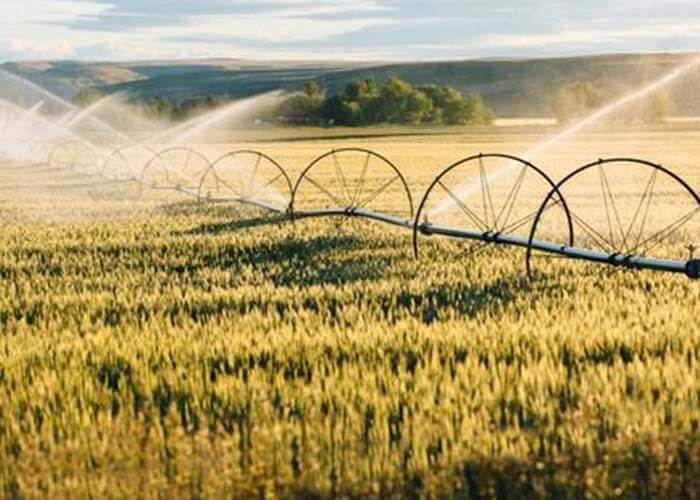
Water is essential to plants in every stage of life: it dissolves nutrients in the soil and moves them through the plant, drives internal processes, and regulates leaf temperature. A shortage of soil moisture sharply reduces both yield and produce quality. Excess water is harmful too, hurting growth and lowering the sugar and mineral content of the crop, so the goal is the right amount rather than the most.
Managing Watering During Hot and Dry Periods
During hot, dry spells the priority is supplying vegetables with a steady, optimal amount of water rather than occasional drenching. With climate trends toward recurring heat from June through August, deep, less frequent watering that reaches the root zone beats shallow daily sprinkling, which encourages weak surface roots. Watering and feeding together drive larger harvests: combine consistent irrigation with regular feeding so plants never check their growth.
Mulching is the most effective way to hold soil moisture through heat. A layer of straw, grass clippings, compost or bark over the soil surface slows evaporation, suppresses weeds and keeps roots cool. Organic mulches break down to feed the soil as well, so they double as a slow nutrient source while conserving water.
Nutrients: Feeding Plants for Abundant Yields
Vegetable plants have high nutrient demands, drawing what they need from the soil and the air. The main nutrients are nitrogen, phosphorus, potassium, iron, calcium, sulphur, magnesium, boron and zinc. If the soil holds enough of these, you can count on a good harvest; where they are lacking, you add fertilizer. Building soil fertility over time through compost and crop rotation reduces how much you need to supplement.
Compost is the backbone of natural soil nutrient management, turning kitchen scraps and garden waste into a rich amendment. Hot composting in a managed pile breaks material down in weeks, while cold composting works slowly with no effort; either way the finished compost feeds soil life and improves structure. Crop rotation supports this by moving heavy feeders around the garden so no bed is drained of the same nutrients year after year, and it breaks pest and disease cycles at the same time.
Diagnosing Nutrient Deficiencies by Plant Appearance
You can roughly diagnose a nutrient shortage from a plant's appearance before a soil test confirms it. When nitrogen is lacking, growth slows and plants turn pale green; with too much nitrogen they go dark green and flowering is delayed. A phosphorus shortage first turns leaves dark green, then purple, and finally black as they dry. Reading these signs early lets you correct the mineral balance before yield suffers.
Applying Mineral Fertilizers Effectively
Mineral fertilizers work best applied to a real, diagnosed need and matched to the crop's growth stage rather than scattered indiscriminately. Nitrogen-rich feeds suit leafy growth early in the season, while phosphorus and potassium support flowering and fruiting later. Organic options such as Alaskan Fish Fertilizer deliver a gentler, slow-release nitrogen boost and feed soil life as they break down, making them a good complement to compost. Always follow the rate on the label — over-feeding, especially with nitrogen, delays flowering and produces lush leaves at the expense of fruit.
Site Selection and Garden Planning
Where and how you lay out a garden shapes the harvest as much as how you tend it, so site selection and planning come before the first seed goes in. Local knowledge matters here — talking to nearby gardeners and community plots, and tapping resources like Gardening Know How, Harvest to Table and gardening threads on Reddit, tells you what thrives in your area. The sub-sections cover location, yield planning and the airflow that keeps plants healthy.
Choosing the Right Location for Your Garden
The best garden site gets full sun, has well-drained fertile soil, and sits sheltered from strong wind. Geographic site selection also means accounting for your gardening zone and local climate: frost dates, rainfall and the length of your warm season all determine what you can grow and when. Observe where sun falls across the day, avoid frost pockets in low ground, and pick a spot close enough to a water source that irrigation during dry spells stays easy.
Planning Your Garden Yield and Crop Layout
Yield planning starts with choosing what to grow based on your family's preferences, then mapping how much of each crop you actually need. Map the garden on paper, grouping crops by their light, water and rotation needs, and decide between two main layout methods. Rows suit larger plots and machine cultivation; raised beds optimize space, warm earlier in spring and concentrate fertility where roots grow.
- High-yield selection: favour productive, well-liked crops such as tomatoes, beans, lettuce, courgettes and potatoes that earn their space.
- Succession planting: sow short rows of fast crops every few weeks so harvest is continuous rather than all at once.
- Vertical gardening: train beans, cucumbers and squash up supports to grow more in a small footprint.
- Indoor seedling starting: begin warm-season crops indoors to gain weeks on the season.
- Seed saving: keep seed from open-pollinated and heirloom varieties to cut costs and preserve favourites.
Two habits keep a planned garden productive year after year. Crop rotation moves plant families to fresh ground each season to protect soil nutrients and interrupt pests, and succession planting fills gaps the moment one crop finishes, so no bed sits idle through the growing season.
Air Circulation and Pruning Techniques
Good air circulation keeps foliage dry and dramatically lowers fungal disease, which is why spacing and pruning matter as much as feeding. Space plants so air moves freely between them, and use strategic pruning to open up dense growth: removing lower leaves on tomatoes, thinning crowded shoots, and training vines on supports all improve airflow and light penetration. Thinning out fruit on heavily laden apple, pear and plum trees leaves fewer fruits that ripen larger and sweeter, and eases strain on the branches.
A healthy garden also recruits helpers. Native flowering plants draw bees and other pollinators that lift fruit set on courgettes, beans, tomatoes and squash, while integrating chickens provides natural pest control and rich manure — birds scratching through beds after harvest clear pests and weed seeds. These approaches reduce reliance on pesticides and build a more self-sustaining plot.
Harvesting for the Best Quality Produce
Harvesting at the right moment, and often enough, is what turns a healthy plant into top-quality produce on the plate. Picking too early sacrifices flavour, too late loses tenderness, and infrequent picking actually slows many plants down. The guidance below covers ripeness, crop-specific timing, harvesting young, frequent picking and keeping cut-and-come-again crops going.
How to Determine Fruit and Vegetable Ripeness
Ripeness shows in colour, firmness, size and smell, and the right cues differ by crop. Tomatoes deepen to full, even colour and yield slightly to a gentle squeeze; apples and pears separate easily from the branch with a slight twist; plums soften and develop a dusty bloom; strawberries colour fully and come away cleanly. A ripe fruit often releases a sweet aroma — a reliable signal across many crops that sugars have peaked.
Crop-Specific Harvesting Guidelines
Each crop has its own harvest window and method that protects both the produce and the plant. Use these as a starting point and adjust to your variety and climate:
- Tomatoes: pick when fully coloured but still firm; ripen the last fruit indoors as nights cool.
- Beans: harvest pods young and tender, before the seeds bulge, and pick every few days.
- Courgettes: cut while small and glossy — they turn to marrows fast if left.
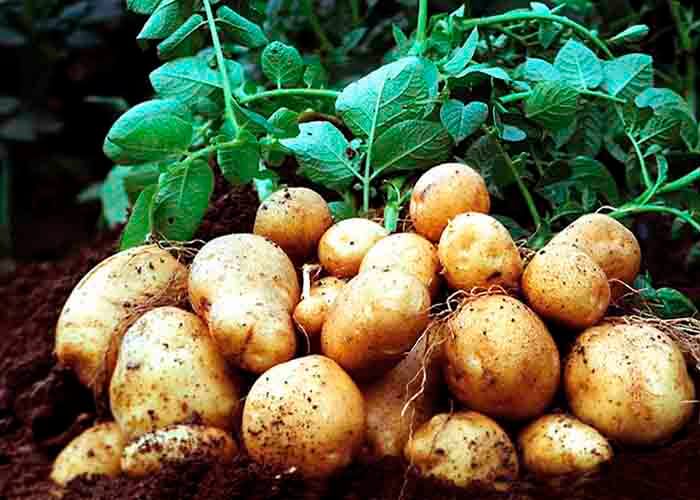
- Potatoes: lift earlies when plants flower; leave maincrop until the foliage dies back for storage.
- Apples and pears: test by lifting and twisting; pears are best picked slightly under-ripe and finished indoors.
- Lettuce: take outer leaves as needed or cut the whole head before it bolts.
Harvesting Young Vegetables for Tenderness and Sweetness
Young vegetables are tender and sweet because sugars are high and fibres have not toughened. Baby beans, small courgettes, finger-sized carrots and tender lettuce leaves all taste better picked early than left to reach full size. Harvesting young also signals the plant to keep producing, so picking for quality and picking for quantity often go hand in hand.
Frequent Harvesting to Encourage Plant Growth
Frequent harvesting pushes many crops to produce more, because removing mature fruit tells the plant to set new flowers. Beans, courgettes, cucumbers and tomatoes all crop more heavily when picked every few days, while leaving fruit to over-mature signals the plant that its season's work is done and slows new growth. A regular harvesting schedule — a quick pass through the garden every couple of days at peak season — keeps plants in full production.
Cut-and-Come-Again Crops for Continuous Harvest
Cut-and-come-again crops let you harvest repeatedly from the same plants over weeks. Leaf lettuce, spinach, chard, rocket and many salad leaves regrow after you take the outer leaves, so a single sowing yields several pickings. Combine this with succession sowing of fresh batches and you keep a steady supply of tender leaves through much of the season.
Preventing Bolting in Leafy Vegetables
Bolting — running to flower and turning bitter — is triggered in leafy crops by heat, stress and lengthening days, and you can delay it with a few habits. Keep lettuce, spinach and similar greens consistently watered, give them light afternoon shade in hot weather, choose bolt-resistant varieties, and harvest regularly so plants stay in leafy growth. Sowing little and often, rather than one large batch, means there is always a young, unbolted crop coming on.
Preserving Your Harvest
Preserving lets you carry a summer harvest through the year and is the heart of seasonal food self-reliance. When the garden produces more than you can eat fresh, managing the surplus by sharing with neighbours and preserving the rest means nothing goes to waste. Good post-harvest storage starts with quality: store only sound, unblemished produce, keep root crops cool and dark, and use bruised fruit first.
Food Preservation Techniques: Canning, Freezing, Fermenting, and Dehydrating
Four core methods cover almost everything a home garden produces, each suited to particular crops:
- Canning: small-batch canning preserves jams, marmalades, tomatoes and pickles in sealed jars; it suits high-acid produce and is ideal for putting up a glut a few jars at a time.
- Freezing: the simplest method for beans, courgettes, berries and blanched greens, locking in flavour and nutrients.
- Fermenting: turns cabbage, cucumbers and other vegetables into long-keeping, probiotic-rich foods.
- Dehydrating: concentrates flavour in tomatoes, apples and herbs, and the dried results store compactly.
Preserving is also a chance to develop recipes from your own produce. A surplus of courgettes becomes a Lemon Ginger Zucchini Marmalade; gluts of fruit turn into jams and marmalades that brighten winter meals. Reference books such as The Complete Book of Small-Batch Preserving by Margaret Howard, The Backyard Homestead Book of Kitchen Know-How, and the work of Andrea Chesman are trusted starting points for safe, well-tested methods. National Organic Harvest Month each September is a natural prompt to put up the season's abundance.
Benefits of Growing Your Own Food
Growing your own food rewards you with better flavour, real health benefits, and a genuine sense of achievement. Tending a garden gets you outdoors and active, puts fresh produce within arm's reach, and lets you cut pesticide use to near zero on your own plot. Beyond the practical gains, raising even a few crops builds confidence and a steady supply of food you trust.
Flavor Comparison: Homegrown vs. Supermarket Produce
Homegrown produce almost always tastes better than supermarket equivalents because you harvest it ripe and eat it fresh. A tomato picked at peak ripeness and eaten the same day carries sugars and aromas that a fruit bred for shelf life and shipped under-ripe simply cannot match. Strawberries, beans and lettuce show the same gap — varieties chosen for flavour rather than transport, harvested at their moment, are in a different class.
Building Community Connection Through Food Gardening
Food gardening connects people through shared surplus, swapped seeds, and pooled local knowledge. Giving away extra produce, trading heirloom seeds, and joining community gardens turns a private hobby into a network, and local research — learning from neighbours which varieties thrive where you live — is some of the most valuable gardening knowledge there is. That exchange of food, seed and experience is one of the quiet, lasting rewards of growing your own.
For more practical guides across gardening and many other subjects, browse the Agronomy section or the full library of articles.