How to Care for Grapes: Watering, Feeding, and Growing Healthy Vines
 libre
libre
Growing grapes in containers lets you produce table or wine grapes on a patio, balcony, or small garden where a traditional vineyard would never fit. A potted vine planted in a 15–20 gallon (50–75 litre) container, given full sun, free-draining compost, and a simple support, can bear its first useful crop within two to three years. This guide covers everything from choosing the right grape variety and pot size through to watering, feeding, pruning, and overwintering container-grown grapes. 
Advantages of Container Growing for Grapes
Container growing solves the biggest obstacles home gardeners face with grapes: poor soil, limited space, and harsh winters. By planting a grapevine in a pot you control the growing medium completely and can move the plant to chase sunlight or shelter it from frost.
- Space-saving: a single trained vine occupies roughly one square metre of floor space, making grapes viable on balconies, terraces, and courtyard gardens.
- Mobility and portability: pots on castors or a plant dolly can be wheeled into a greenhouse, garage, or against a warm wall for winter, then back into the sun in spring.
- Soil control: you avoid heavy clay or waterlogged ground by mixing your own free-draining compost.
- Mediterranean aesthetics: a vine trained over a pergola or up a terracotta pot brings a Mediterranean garden look to small urban spaces.
- Pest avoidance: fresh sterile compost sidesteps soil-borne problems such as phylloxera, a root louse that devastated European vineyards of Vitis vinifera.
Choosing the Right Grape Variety for Containers
The right grape variety for a container depends on your climate, whether you want table or wine grapes, and how much space and disease resistance you need. Grapes belong to the genus Vitis spp., and the species you choose largely determines hardiness and flavour: Vitis vinifera (European wine and table grapes), Vitis labrusca (American grapes like Concord), and Vitis rotundifolia (muscadines) each suit different regions.
Best Grape Varieties for Container Growing
The best grape varieties for container growing are compact, disease-resistant, and reliably ripen in your season. Seedless table grapes are the most popular choice for pots because the fruit is eaten fresh.
- Flame Seedless (also sold as Flame) — a vigorous red seedless table grape that ripens well in warm, sunny positions.
- Thompson and Sultana Seedless — classic pale-green seedless grapes (Thompson Seedless) good for fresh eating and drying.
- Black Monukka — a hardy, near-seedless dark grape tolerant of cooler summers.
- Lakemont — a sweet white seedless variety that crops heavily on a compact frame.
- Crimson, Autumn Royal, Summer Royal, Princess, and Mars Seedless — productive table grapes for growers with long, hot seasons.
Compact Grape Varieties for Small Spaces
Compact grape varieties give a real harvest from a balcony or tiny patio without aggressive growth. The Pixie Grape is a genetically dwarf vine that stays under a metre tall and fruits while still small, making it the most space-efficient choice for containers. For slightly larger pots, naturally restrained types such as Black Hamburgh (a long-favoured greenhouse grape, also known as Black Hamburg) and Muscat of Alexandria respond well to confined roots and hard pruning.
Cold-Hardy Grape Varieties
Cold-hardy grape varieties survive harsh winters and short seasons that would kill tender Vitis vinifera. These hybrids were bred for northern climates and tolerate low USDA Zone temperatures.
- Marquette — a cold-hardy red wine grape developed for northern US states, surviving well below −20 °F in protected pots.
- Concord — the classic American Vitis labrusca grape for juice and jelly, hardy and forgiving.
- Pink Reliance, Hope Seedless, and Mars Seedless — hardy seedless options for cooler regions.
- Regent, Muscat Bleu, and Boskoop Glory (sometimes misspelled Boskool Glory) — reliable choices for UK and northern European gardens.
- Somerset Seedless and Phoenix — disease-tolerant varieties that ripen in short, cool British summers.
Differences Between Table Grapes and Wine Grapes
Table grapes and wine grapes differ in berry size, sugar, skin thickness, and intended use, and the distinction matters when choosing a container variety. Table grapes (Flame Seedless, Thompson, Crimson, Autumn Royal) have large, thin-skinned, often seedless berries bred for fresh eating. Wine grapes (Pinot Noir, Chardonnay, Dornfelder, Marquette) have smaller, thicker-skinned, seeded berries with higher sugar and acid for fermentation. Muscadine cultivars such as Carlos and Noble (Vitis rotundifolia) and varieties like Triumph suit the warm, humid US South. For a UK grower wanting both dessert and wine use, dual-purpose hybrids such as Phoenix or Regent are practical.
Container Selection and Size Requirements
Grapes need a large, deep, well-drained container because they develop an extensive root system and crop better when roots have room. A half-barrel, a large planter, or a 15–20 gallon (50–75 litre) pot at least 16–18 inches (40–45 cm) wide and deep is the practical minimum for a fruiting vine.
Container Size Recommendations for Growing Grapes
Start a young vine in a pot around 10 inches (25 cm) across and pot on each year until it reaches its final 15–20 gallon home. A deeper container suits grapes better than a wide shallow one because the vine produces a strong vertical root system. Material matters too: a glazed or plastic pot retains moisture, while an unglazed terracotta pot breathes well but dries faster and needs more frequent watering. Wood, fabric grow-bags, and metal raised beds from suppliers such as Vego all work provided the volume is adequate.
Container Drainage and Aeration
Sharp drainage is non-negotiable for grapes because waterlogged roots quickly rot and kill the vine. Choose a pot with several large drainage holes and raise it on feet so water escapes freely. Add a 2–5 cm layer of crocks or coarse gravel at the base, and incorporate horticultural grit or perlite into the compost to keep it open and aerated. Container shape influences root development: tall, straight-sided pots encourage the deep rooting grapes prefer over squat bowls.
Planting Grapes in Pots
Plant a container grapevine in late winter or early spring while it is dormant, choosing the sunniest position you have. Grapes need at least six to eight hours of direct sun daily to ripen fruit and build sugar, so place the pot against a south- or west-facing wall.
- Fill the lower third of the pot with a free-draining, loam-based compost such as John Innes No. 3 mixed with about 20–30% horticultural grit or perlite.
- Set the vine so the graft union — the swollen joint where the fruiting variety meets the rootstock — sits at least 5 cm above the final compost surface; burying it invites rot and lets the scion root.
- Backfill, firm gently, and water in thoroughly to settle the compost around the roots.
- Install a support at planting time so you avoid disturbing roots later.
- Top-dress with grit to conserve moisture and keep the crown dry.
Loam-based compost is preferred over multipurpose peat-free mixes because it holds nutrients and structure for the several years a vine occupies the same pot. You can buy suitable bagged compost, grit, and large pots from garden centres or retailers such as Home Depot, Lowes, and Fedco Seeds.
Caring for Container-Grown Grapes
Caring for container grapes comes down to consistent watering, balanced feeding, and good light, since a potted vine cannot send roots out to find water and nutrients as a ground-grown vine does. The core routine is steady moisture through the growing season, regular feeding while the fruit develops, and protection from extremes.
Watering and Irrigation
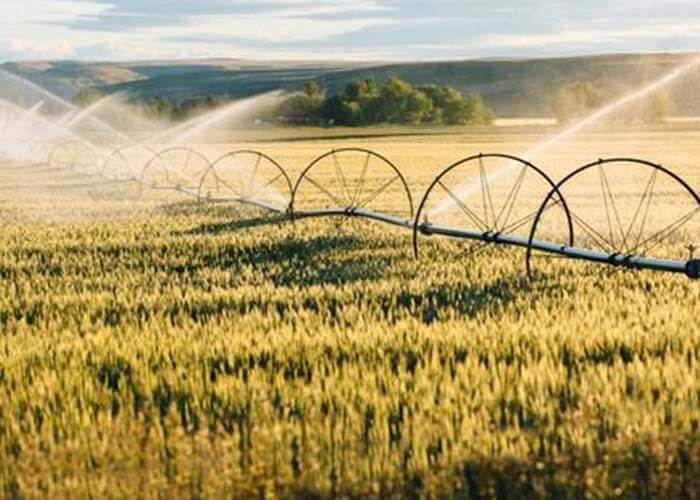
Container grapes need regular, deep watering through spring and summer because the limited compost volume dries out far faster than open ground. Water when the top few centimetres of compost feel dry, soaking until it runs from the drainage holes, then let it drain — never leave the pot standing in water.
Watering needs change across the season for grapes. Young, newly planted vines need the most attention while they establish; once the deep root system fills the pot, water demand is steady but still daily in hot weather. As the berries approach ripening, ease back on watering: heavy watering at this stage swells yield but dilutes sugar and flavour, lowering fruit quality. After the leaves drop and the crop is picked, give the pot one last generous soak at the start of dormancy to help the vine overwinter well.
Fertilizing Container Grapes
Feed container grapes carefully and sparingly, because excess nutrients — especially nitrogen — drive lush leafy shoots at the expense of fruit. Over-fed potted vines produce so much green growth that you spend the summer pinching and thinning it back, work that wouldn't be needed with balanced feeding.
A practical feeding regime for potted grapes:
- Apply a slow-release fertilizer such as Osmocote in early spring as growth begins.
- Switch to a high-potassium liquid feed (a tomato fertilizer works well) every two weeks from flowering until the fruit starts to colour, to support fruiting rather than foliage.
- Stop feeding once the grapes begin to ripen so the vine hardens off for winter.
- Top-dress the compost surface with fresh loam-based mix each spring.
Foliar Feeding and Nutrient Deficiencies
Grapevines often show you what they lack, and foliar feeding corrects deficiencies fast without extra cost. If you suspect a shortage of a nutrient such as nitrogen, spray the leaves with a 0.5% solution of nitrogen fertilizer: within a few days the foliage will green up and growth will quicken if nitrogen was deficient, whereas no change means levels were already adequate. Foliar feeding is a highly efficient technique that improves berry quality, and the nutrients can be added straight to the Bordeaux mixture you spray when treating against downy mildew, combining two jobs in one pass.
Pruning and Training Grapes in Pots
Prune container grapes hard every winter while dormant, because grapes fruit on shoots growing from one-year-old wood and an unpruned vine quickly becomes an unproductive tangle. Pruning controls size, concentrates the crop, and is essential in the confined space of a pot.
Several established training systems suit potted vines:
- Cordon method (also called the rod and spur method) — a single permanent vertical stem with short fruiting spurs, ideal for a vine on a single cane up a wall or obelisk.
- Guyot method — one or two long fruiting canes tied down each year, suited to slightly larger frames.
- Head training — a short trunk topped with renewed spurs, very compact for small pots.
- Umbrella Kniffen — fruiting canes draped over a high wire, a traditional system for vigorous American varieties.
For most container growers the cordon (rod and spur) method is the simplest: build a permanent framework, then each winter cut side shoots back to one or two buds. Thin the fruit in summer by removing whole bunches and clipping berries within bunches so the remaining grapes ripen evenly — a vine in a pot can only support a limited crop. Provide a sturdy trellis, obelisk, cane wigwam, or train the vine over a pergola; install the support at planting so the roots are never disturbed.
Overwintering Container Grapes
Protect container grapes from hard frost in winter because roots in a pot are far more exposed to cold than roots in the ground. After leaf-fall, move the dormant pot to a sheltered spot — an unheated greenhouse, porch, or against a house wall — and wrap the container in horticultural fleece, bubble wrap, or hessian to insulate the rootball.
How much protection you need depends on your USDA Zone and variety. In mild UK gardens, cold-hardy types such as Boskoop Glory or Phoenix may need only the pot wrapped and moved against a wall. In colder US regions like Central Indiana, SW Pennsylvania, or northern Virginia, even hardy vines such as Marquette and Concord benefit from sinking the pot into the ground, heaping mulch over it, or sheltering it in a garage. Keep the dormant compost just barely moist — not bone dry, not wet — and return the vine to full sun once hard frosts pass in spring.
Common Problems and Troubleshooting
Most container grape problems stem from disease, watering errors, or poor light, and nearly all are preventable with airflow, drainage, and sun. Powdery mildew is the single most common issue in container grapes, showing as a dusty white coating on leaves and fruit.
- Powdery mildew: improve air circulation, avoid wetting the foliage, space the vine away from walls, and treat with a sulphur-based or approved fungicide; choose mildew-resistant varieties like Regent or Phoenix to reduce the risk.
- Downy mildew: manage with Bordeaux mixture sprays, into which you can fold a foliar feed.
- Poor fruit set: usually caused by cold or wet weather at flowering, or too little sun — most grapes are self-fertile, so a gentle tap of the flowering shoots can aid pollination indoors.
- Yellowing leaves or weak growth: often a nitrogen or magnesium shortage; confirm with the foliar-spray test before feeding.
- Wilting or root rot: a sign of waterlogging — check drainage holes and reduce watering.
- Pot-bound, declining vine: repot every two to three years in late winter, root-pruning the outer rootball and refreshing the compost.
Best Practices for Container Grape Success
Success with container grapes comes from matching variety to climate, then being consistent with sun, water, feeding, and winter pruning. Gardeners and growers — from horticulturalists like Marianne Binetti to the community contributors on PlantersPlace and grape forums — repeatedly stress the same fundamentals.
- Choose a variety suited to your region: hardy hybrids such as Marquette for cold US zones, dessert grapes like Flame Seedless for warm spots, and mildew-resistant Phoenix or Regent for the UK.
- Give the vine the sunniest position you have — at least six to eight hours daily.
- Use a large, deep, free-draining pot with loam-based compost (John Innes No. 3) opened up with grit or perlite.
- Water deeply and consistently, easing off as fruit ripens.
- Feed with a high-potassium fertilizer while fruiting, and stop before harvest.
- Prune hard every dormant season and thin the crop in summer.
- Insulate or move the pot through winter according to your climate.
Expect a modest but rewarding harvest: a well-managed potted vine typically yields several bunches in its first cropping years, building toward a few kilograms once established. Harvest grapes only when fully ripe — grapes do not sweeten after picking, so judge readiness by full colour, soft give, and sweet taste rather than size alone. Beyond fresh eating, homegrown grapes can be turned into juice, jelly, raisins, or small-batch wine from wine varieties such as Pinot Noir, Chardonnay, or Marquette. For deeper, region-specific guidance, university extension resources from Purdue University, NC State, and the RHS offer trial-based advice on varieties and pruning.
For more growing guides, browse our Agronomy section, and if you came here looking for general gardening know-how you can also explore the full library of articles.
Note: the original page linked the word "vineyards" to a related resource — that link is preserved here for the reviewer to confirm relevance: vineyard care.